
REGISTER NOW
And, Book a Free
Counselling Session for Your Child
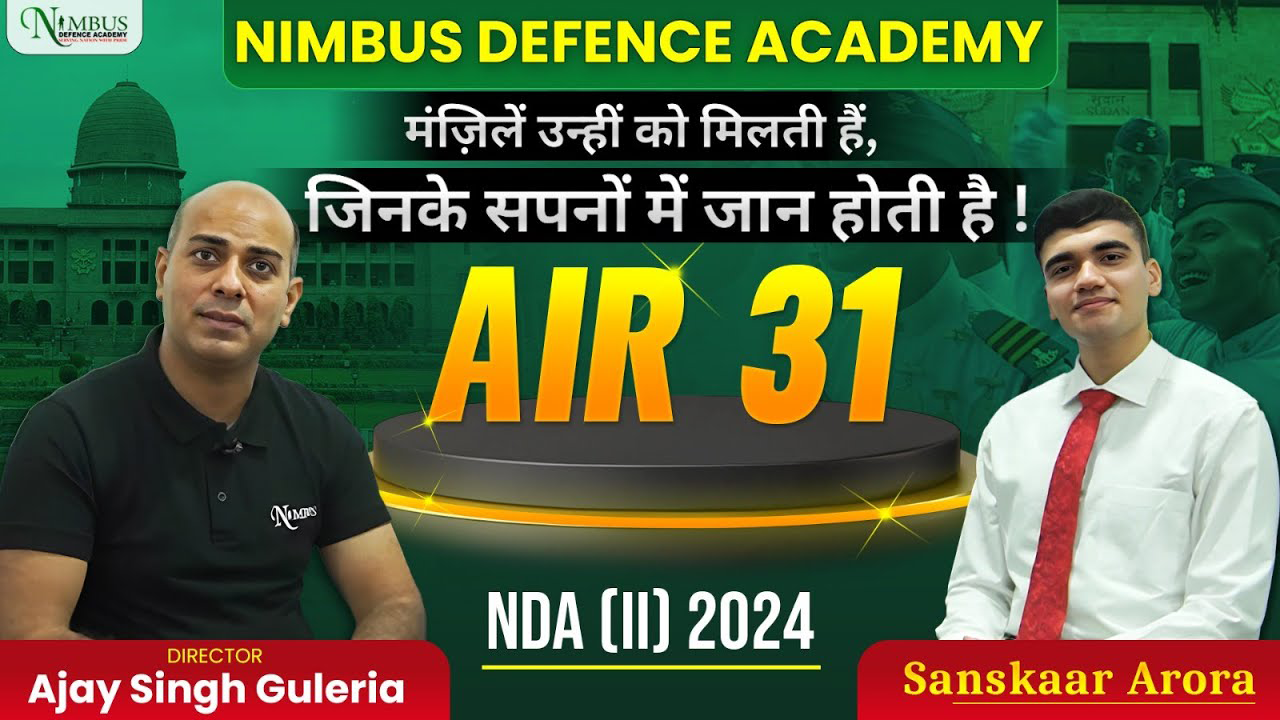

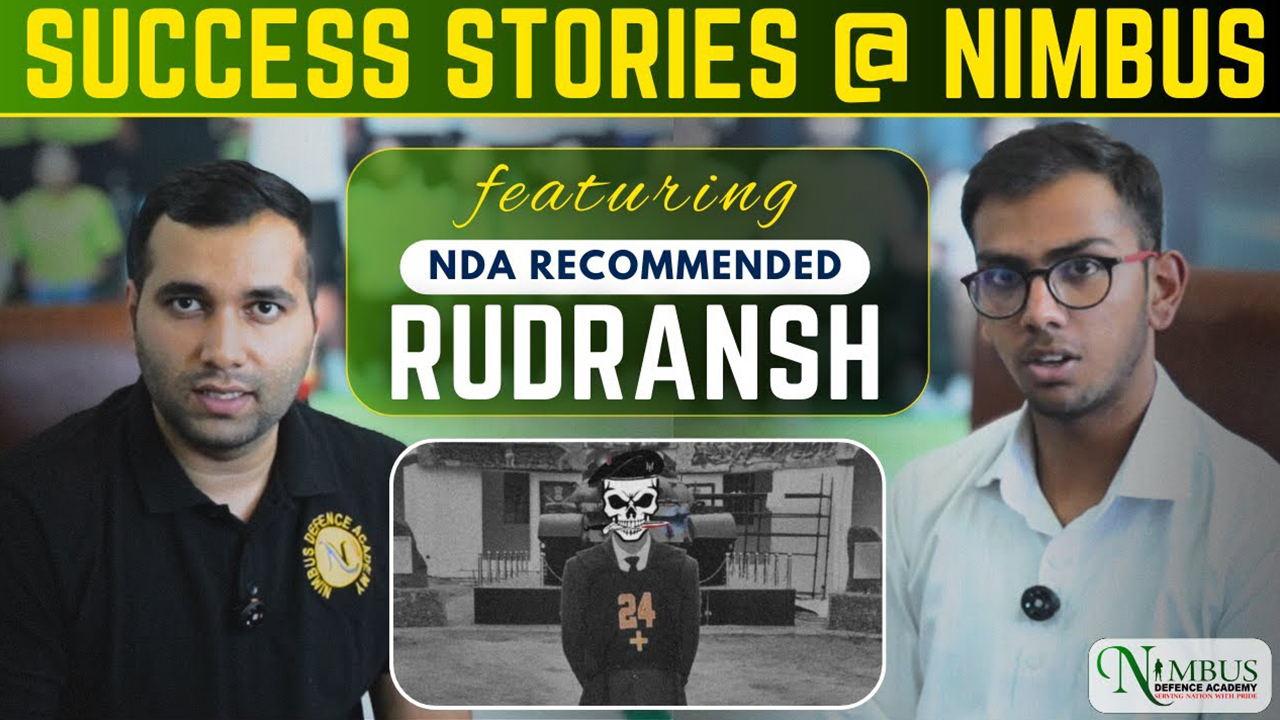
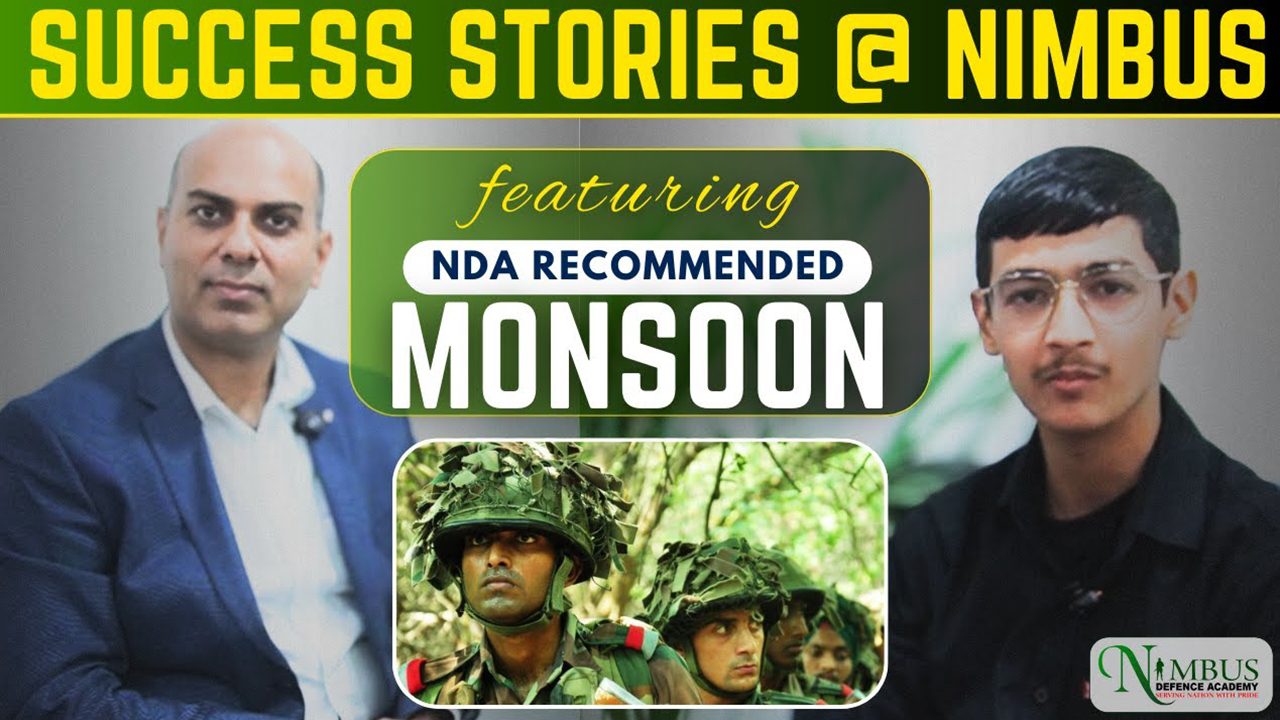
learn free on our YouTube platform



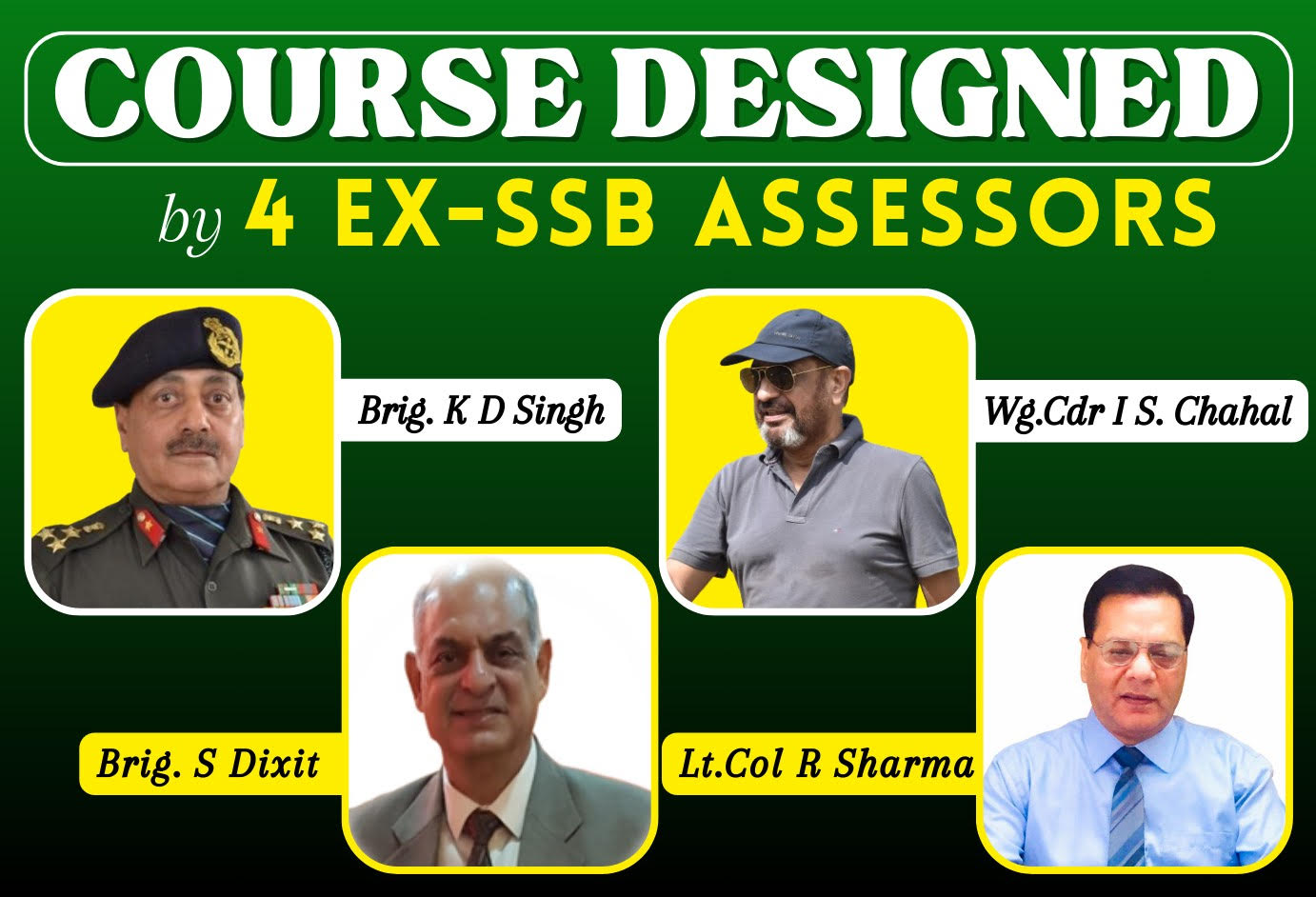
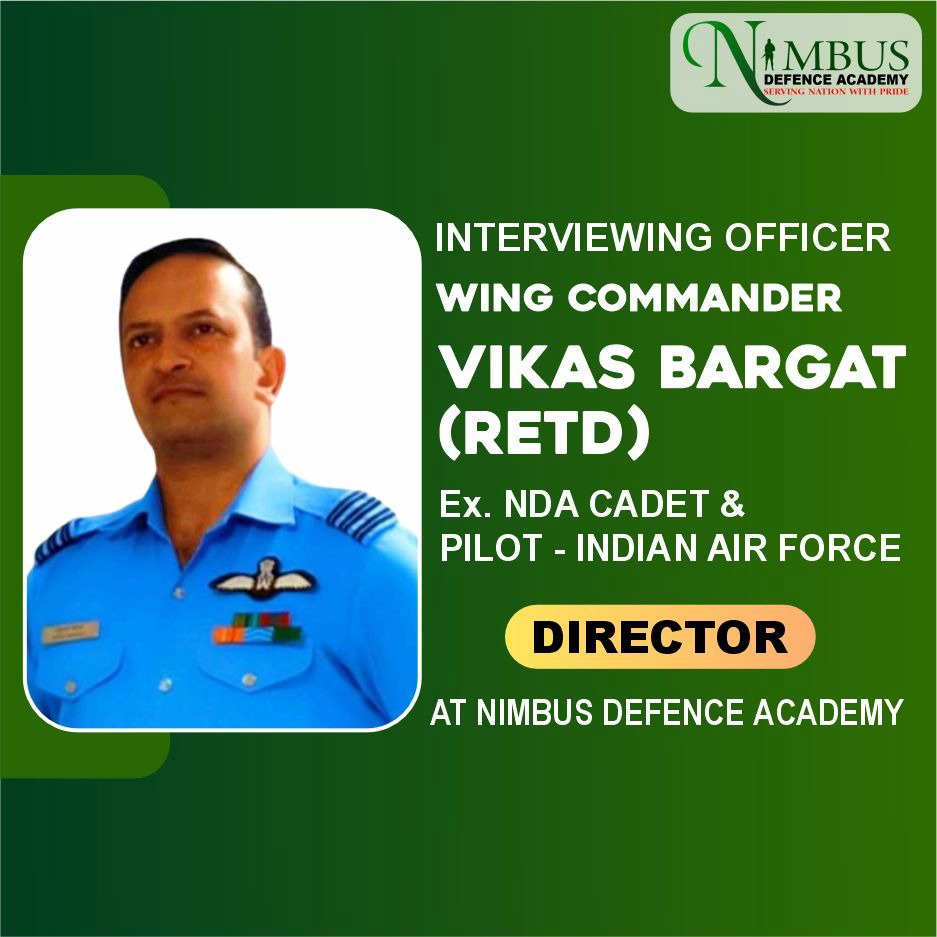
OUR TEAM OF DEFENCE OFFICERS
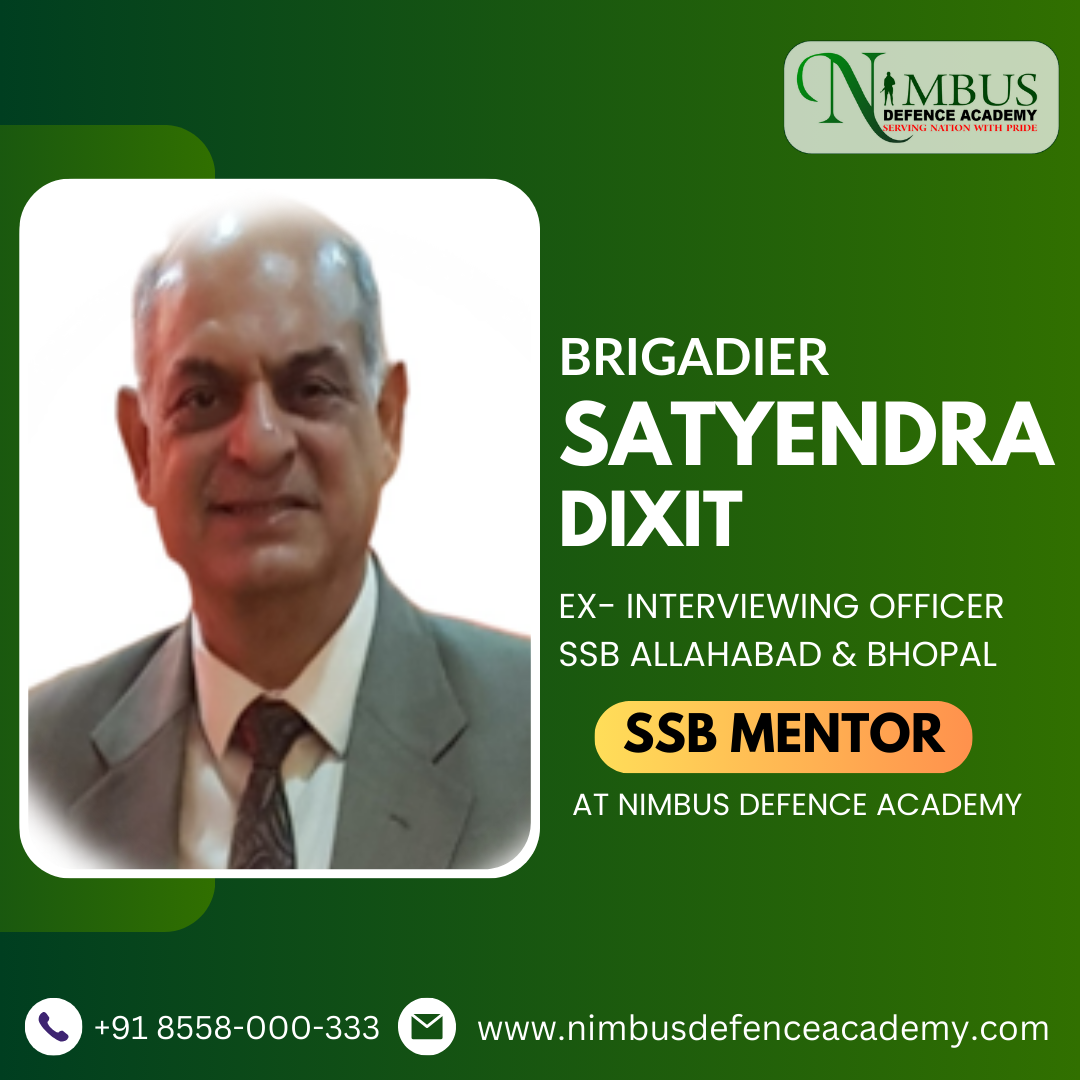
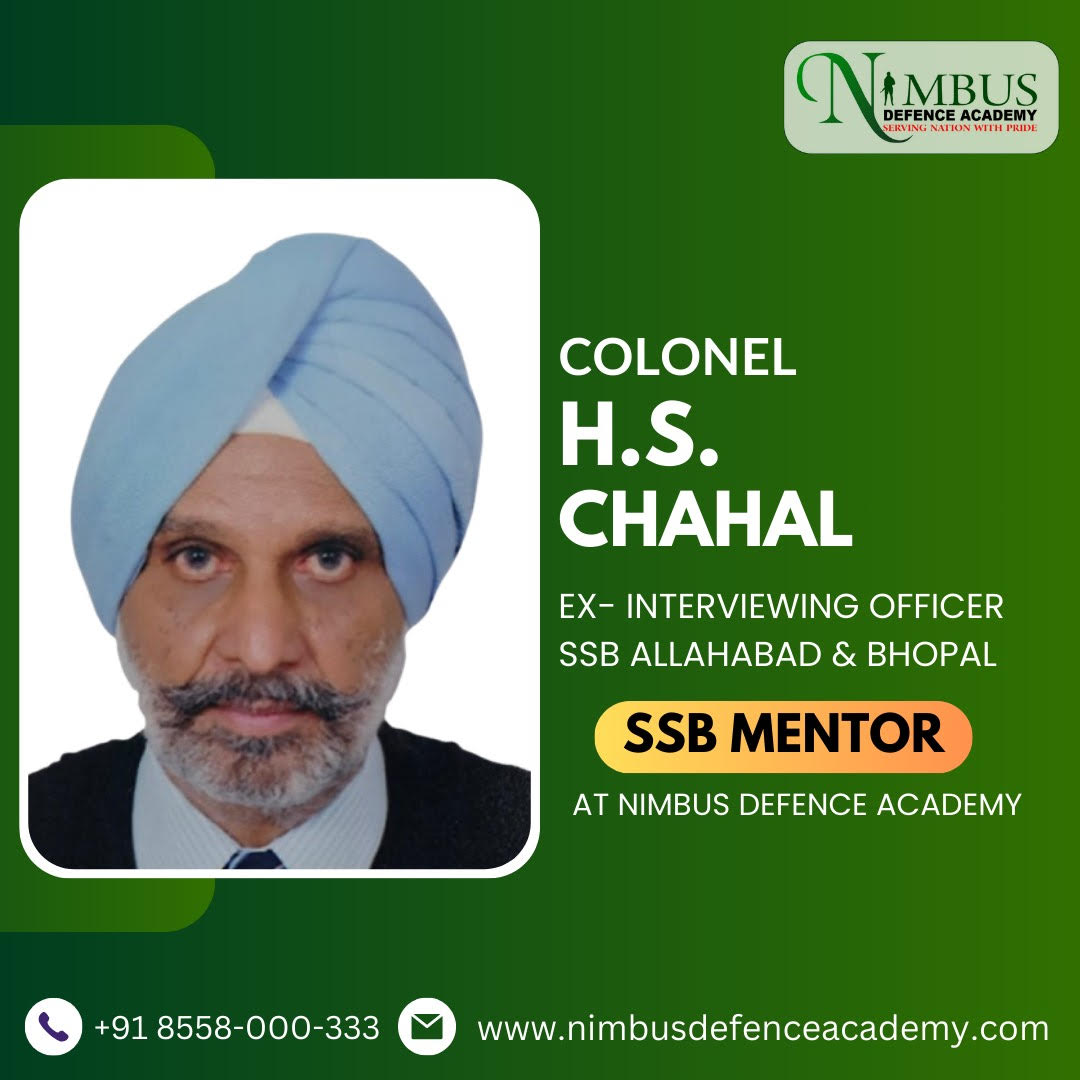
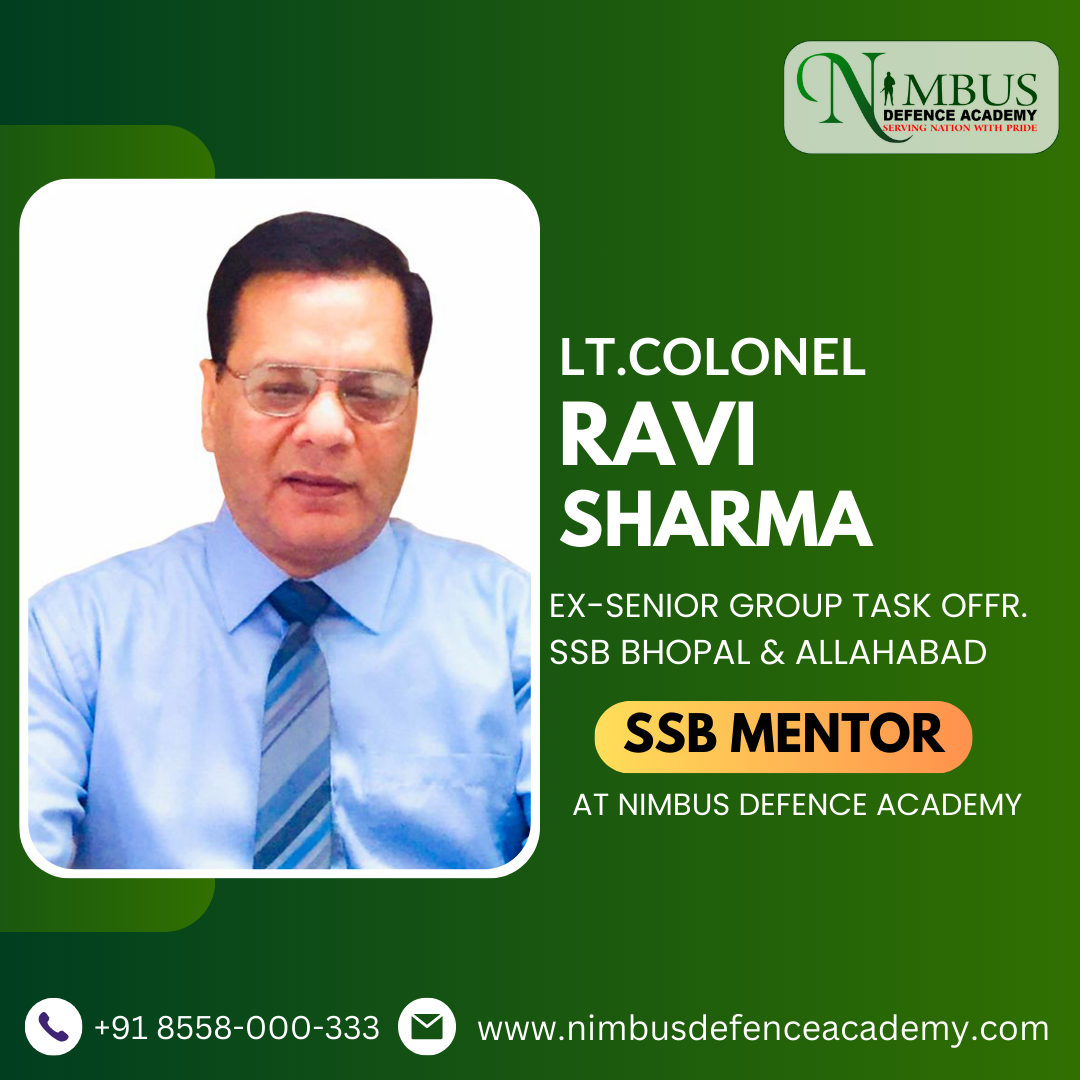
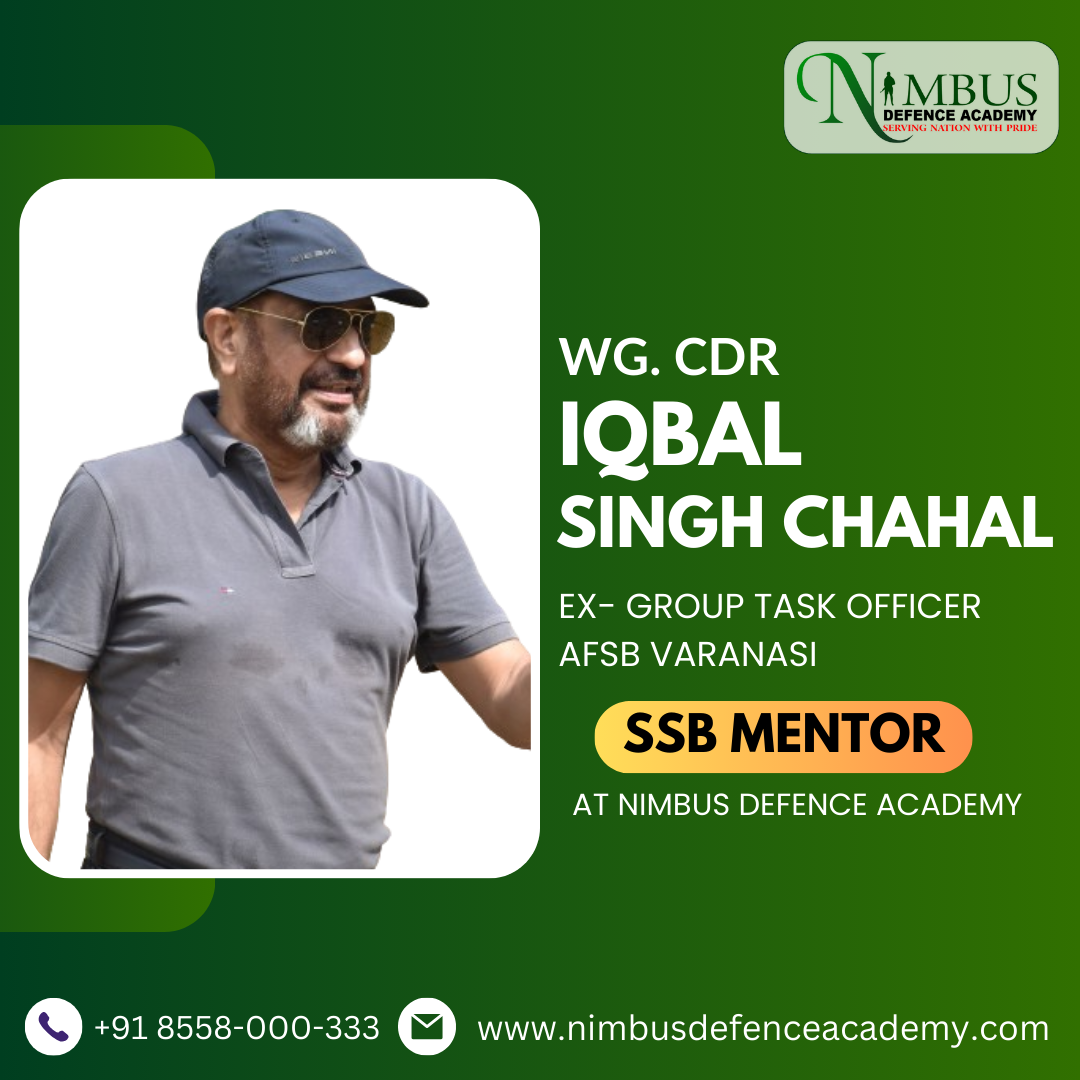
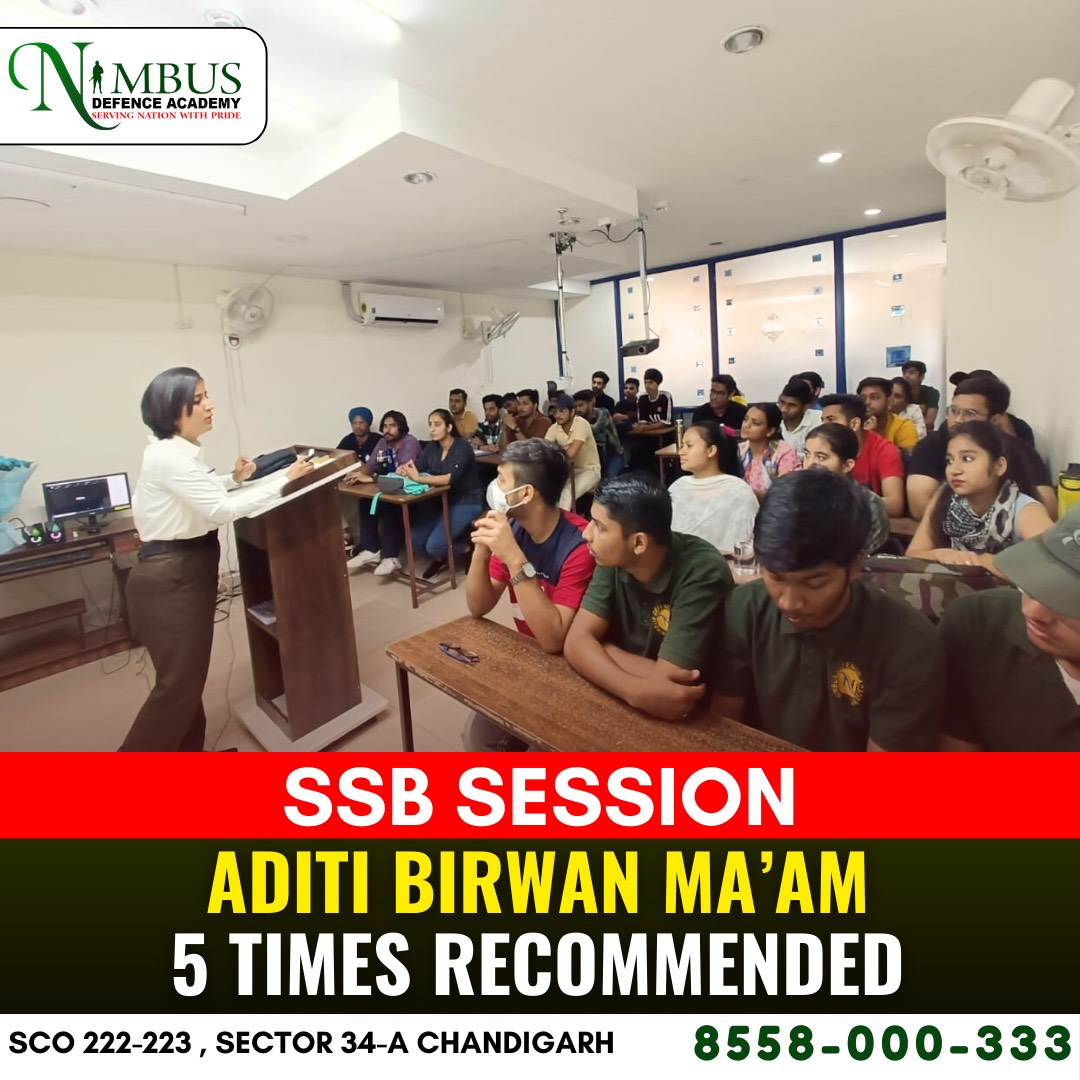
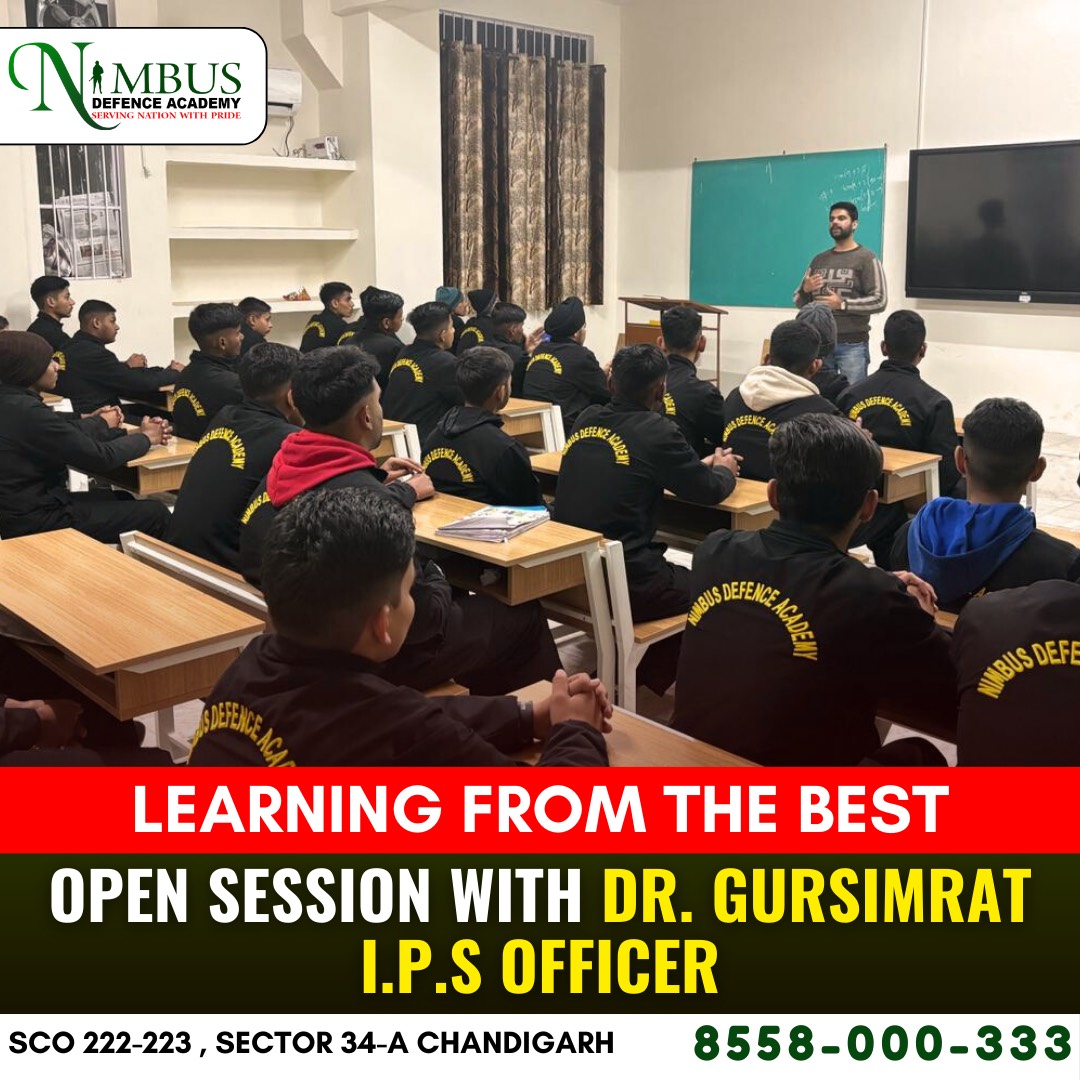
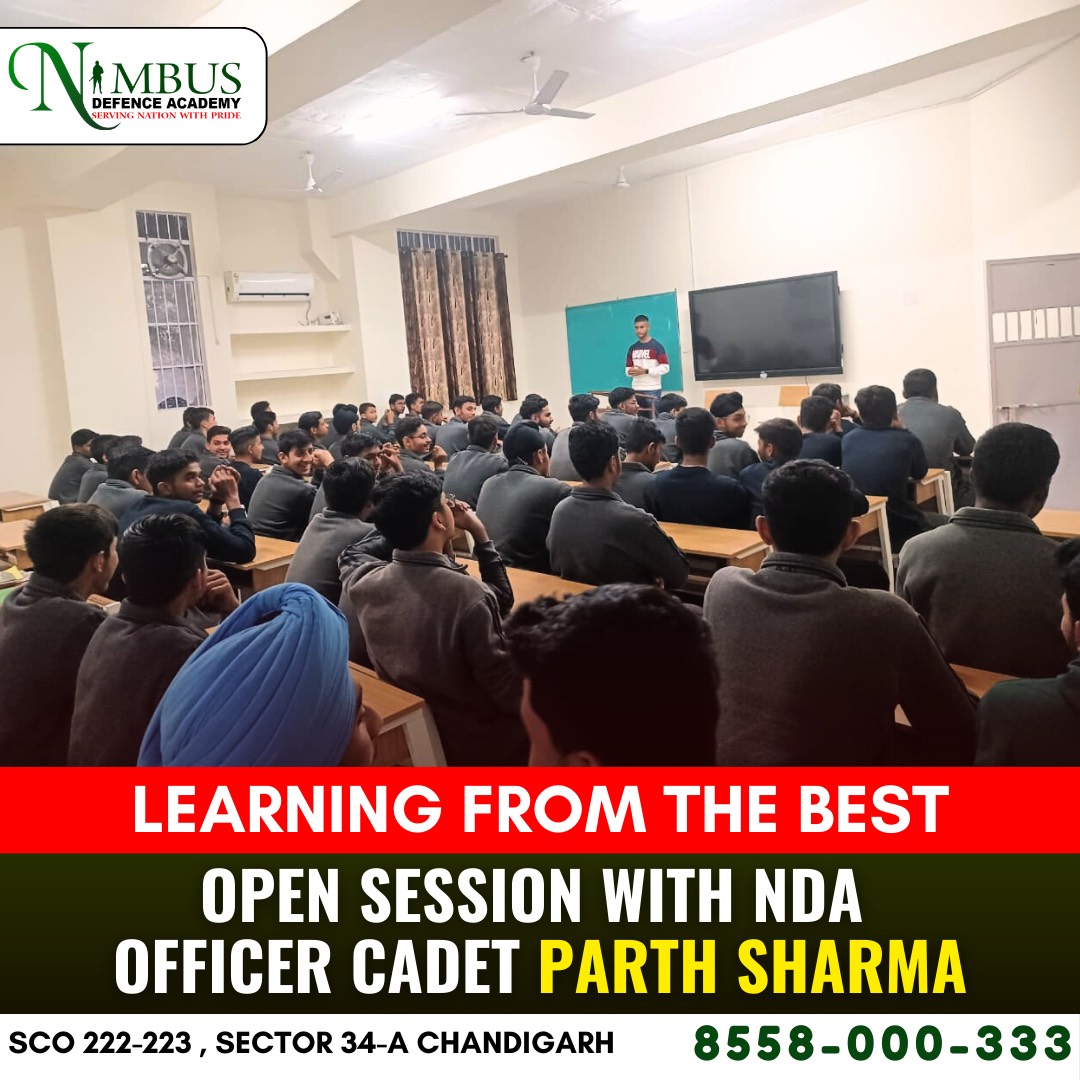
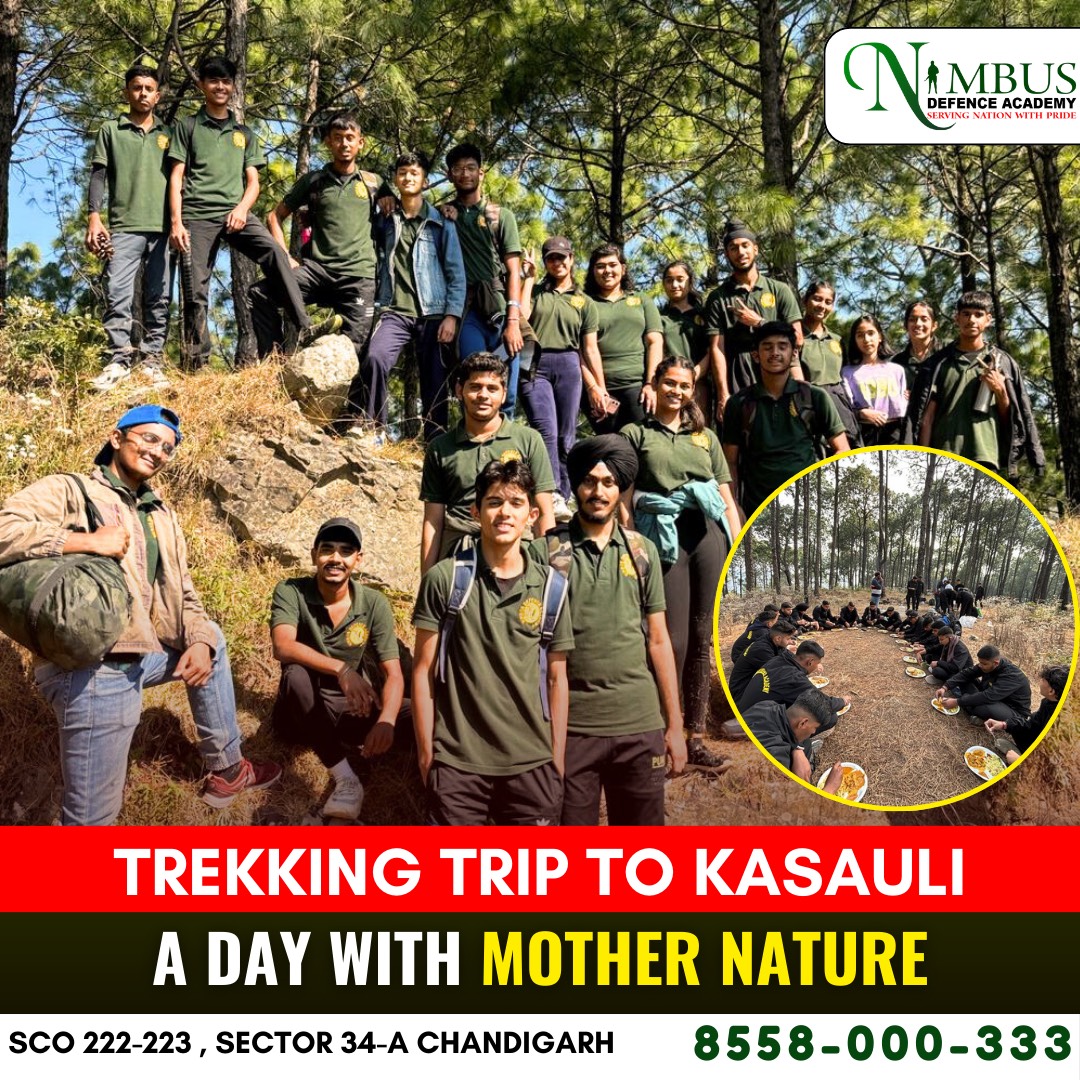
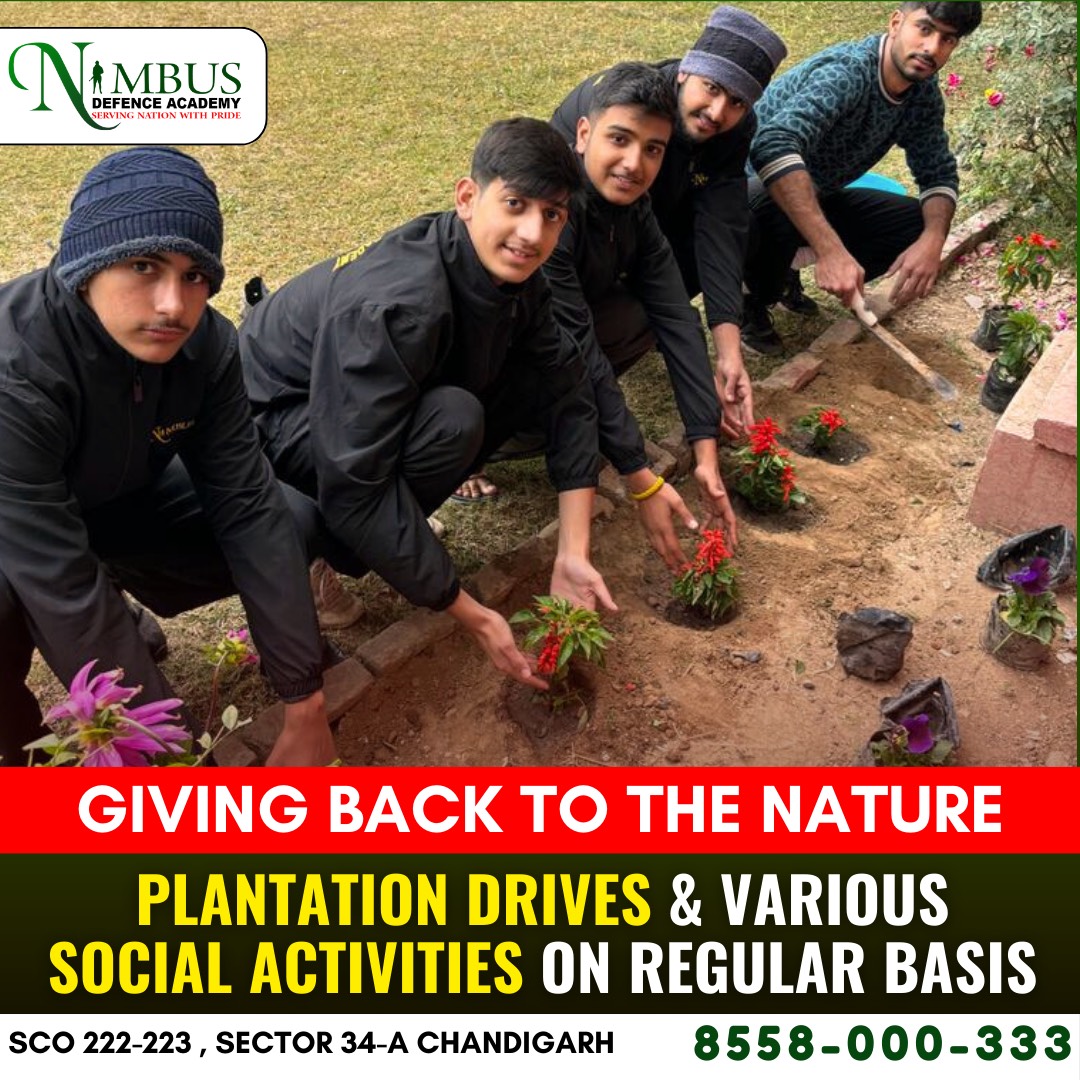
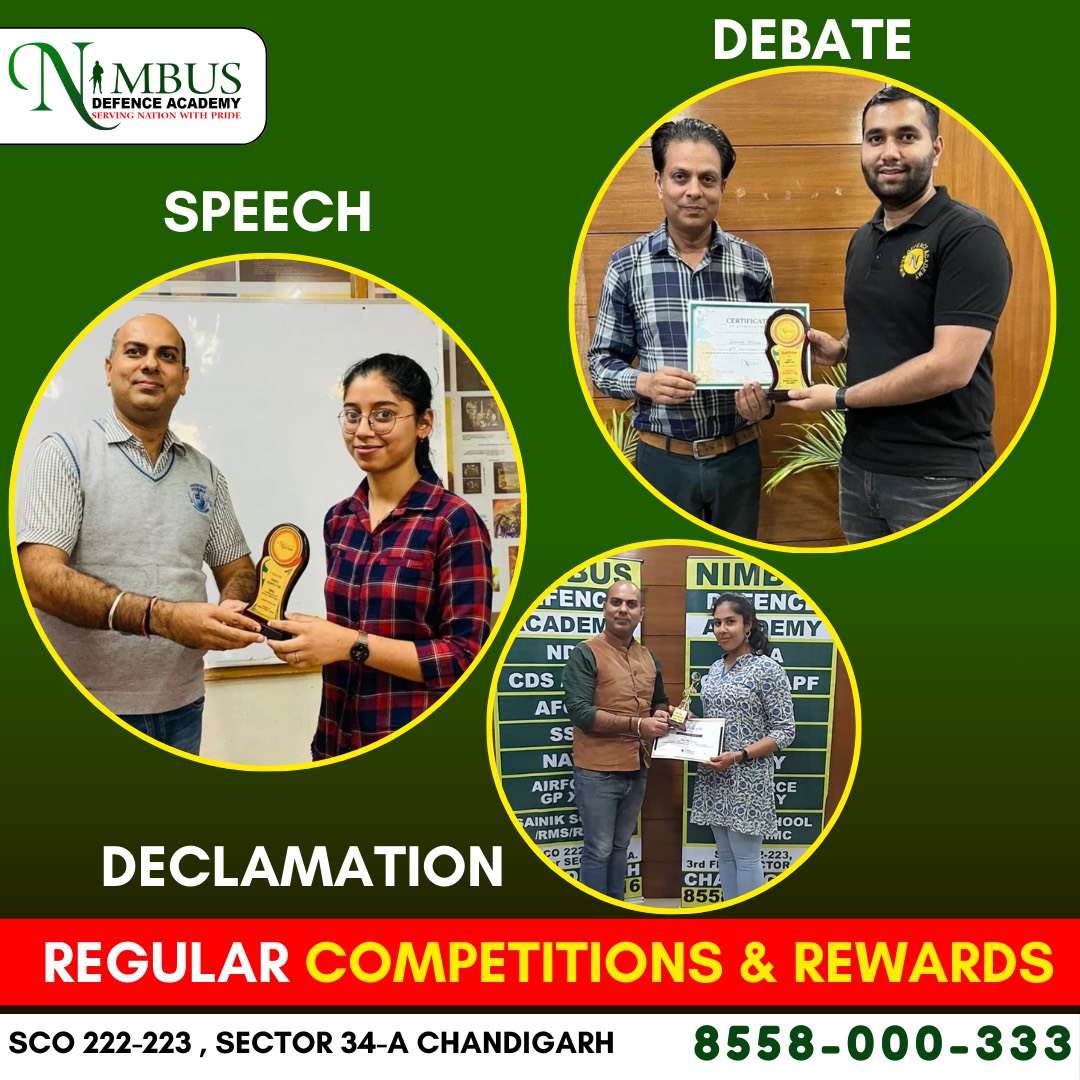
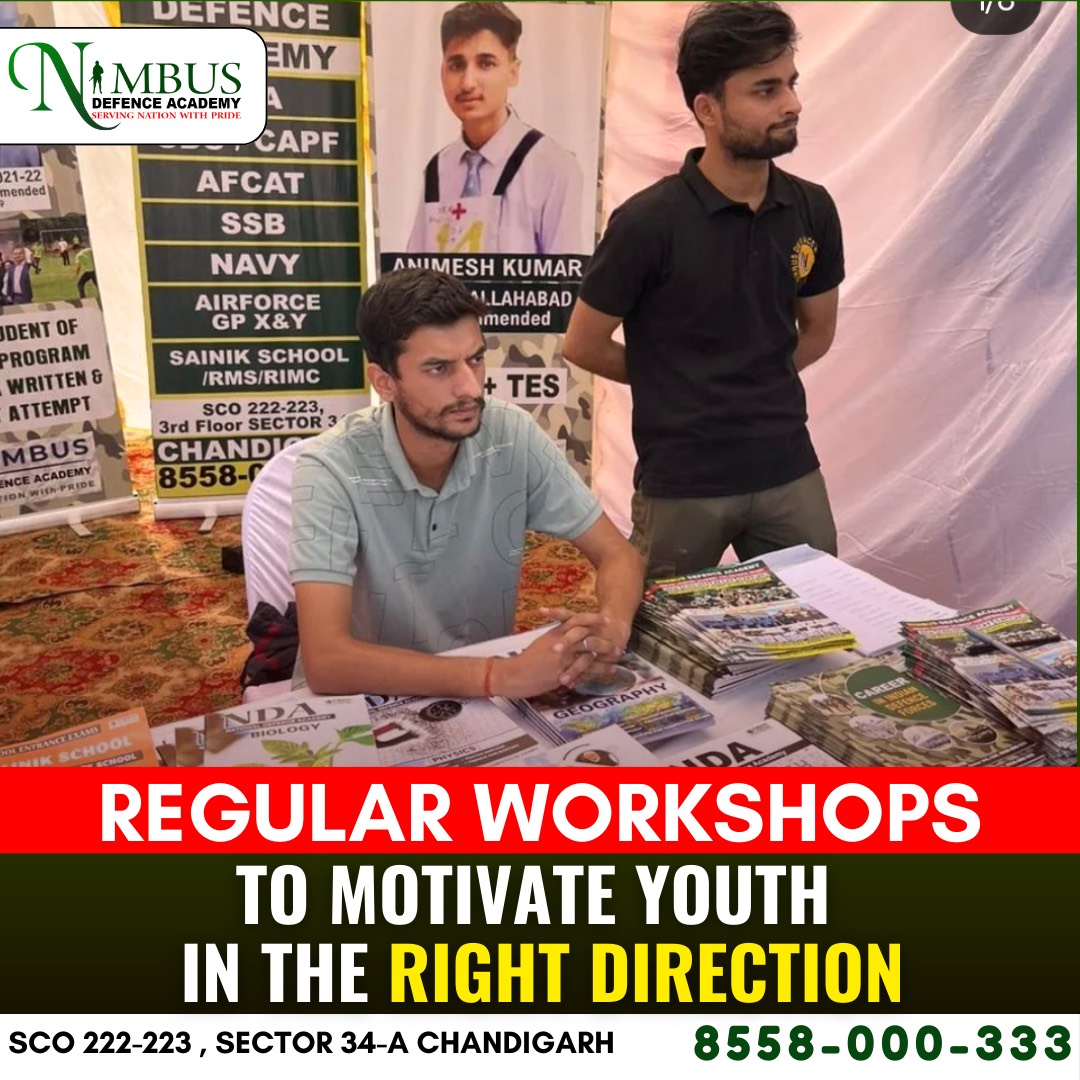
NIMBUS GALLERY
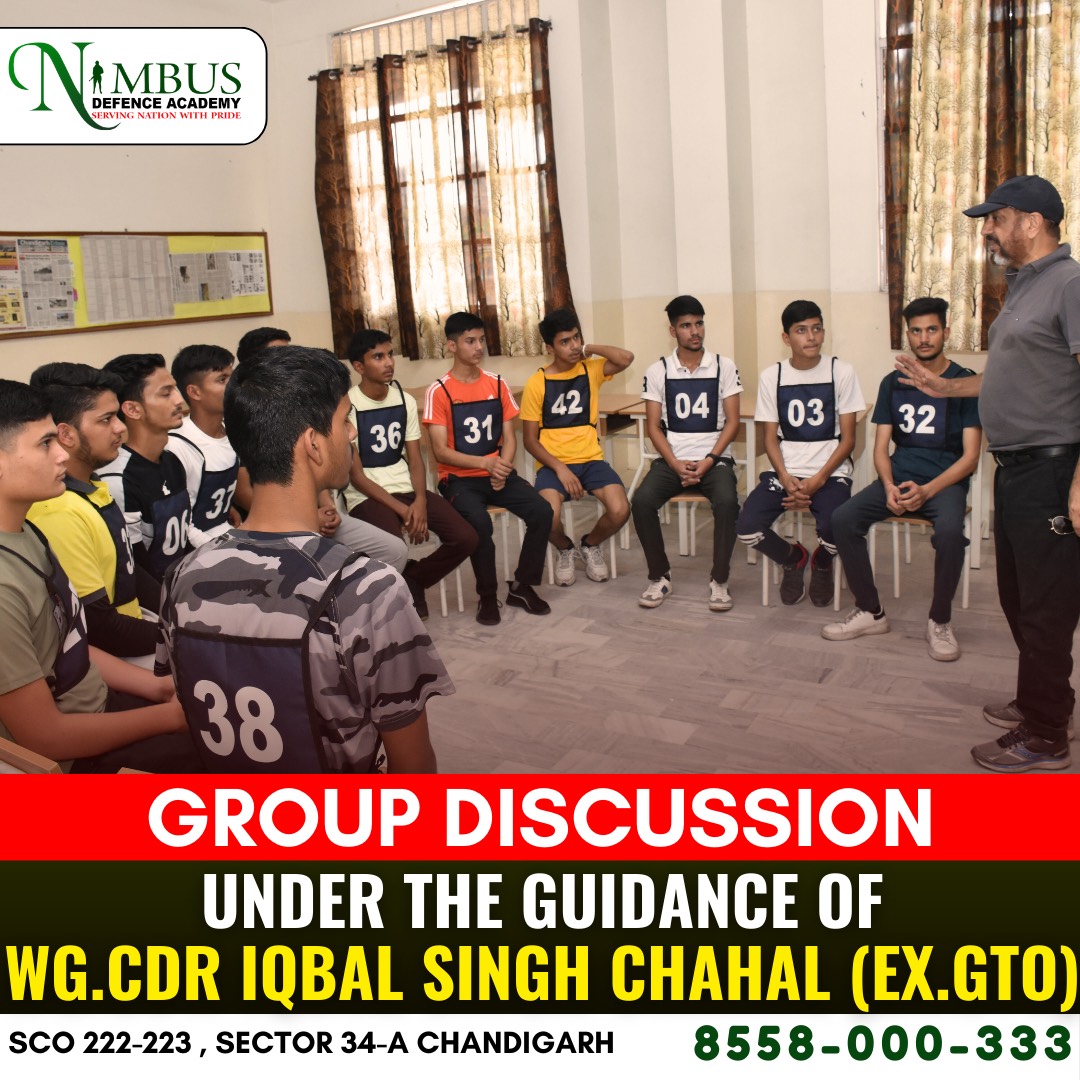
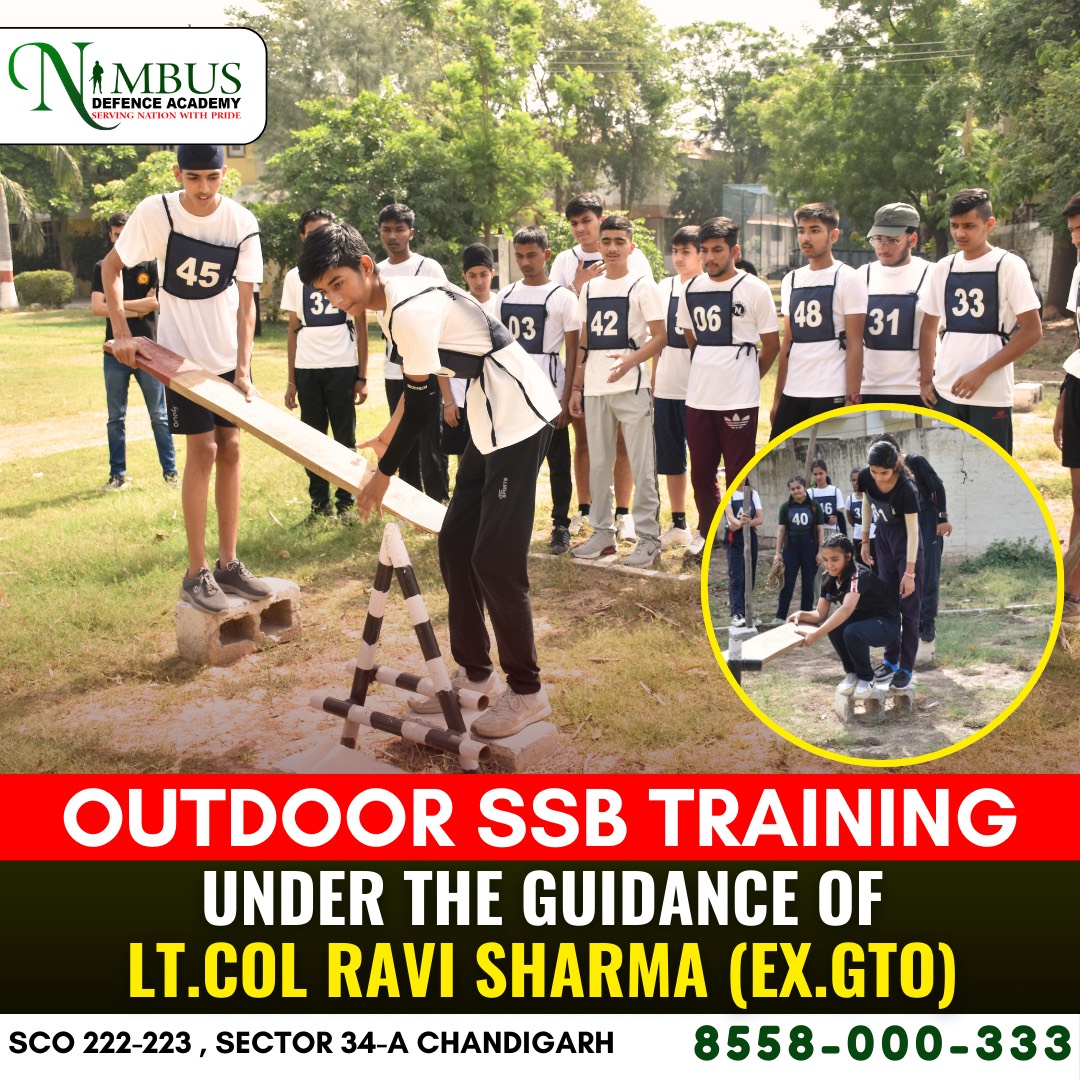
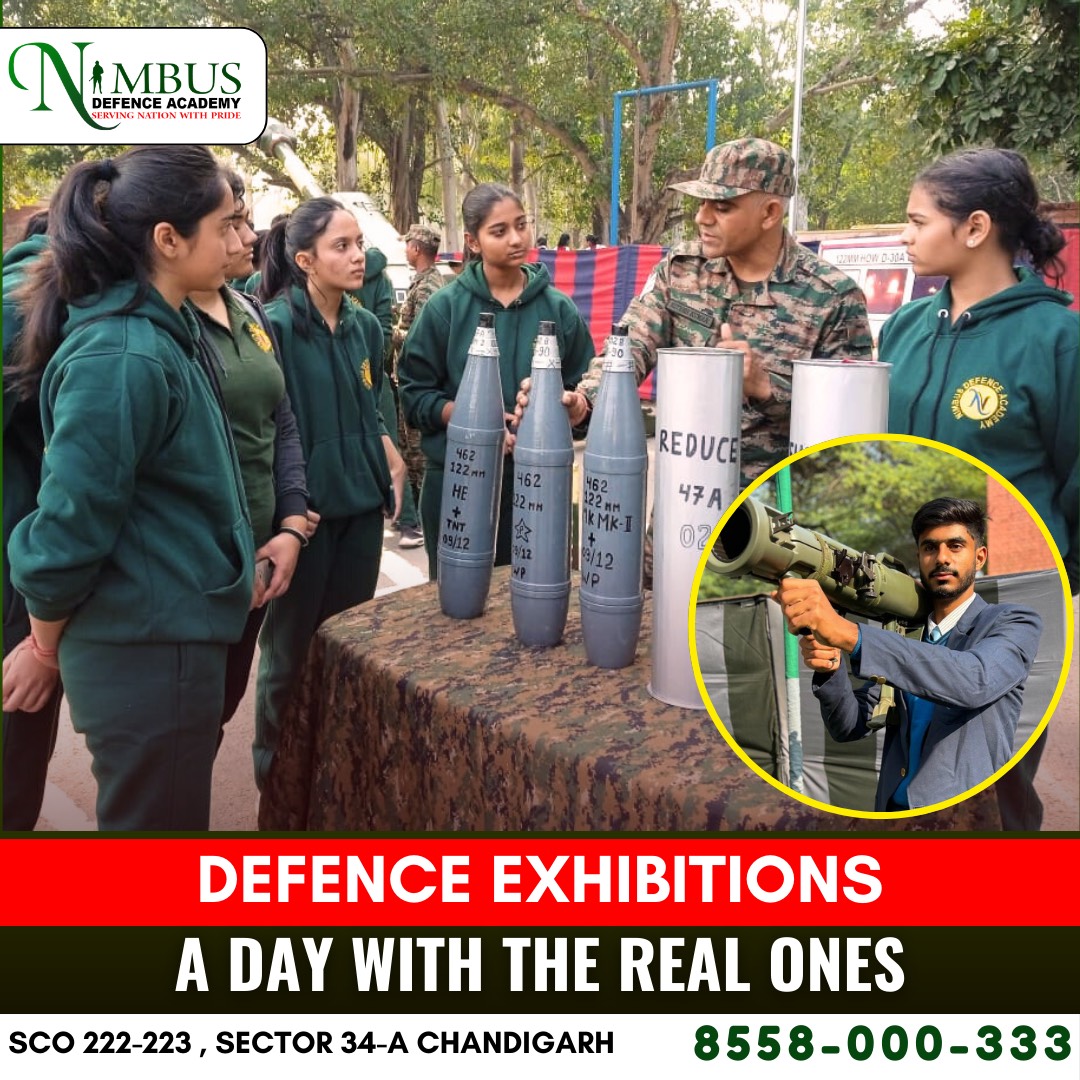
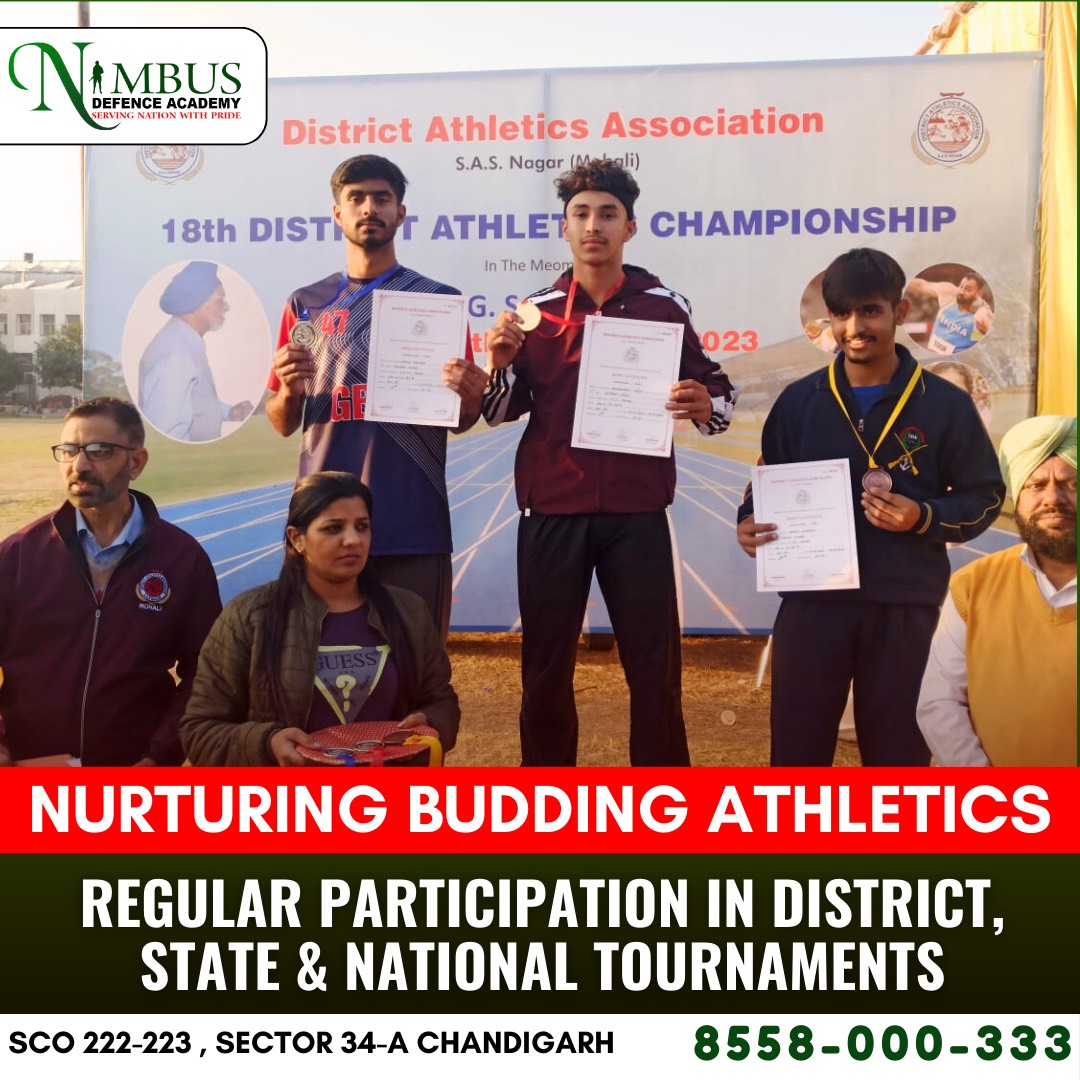
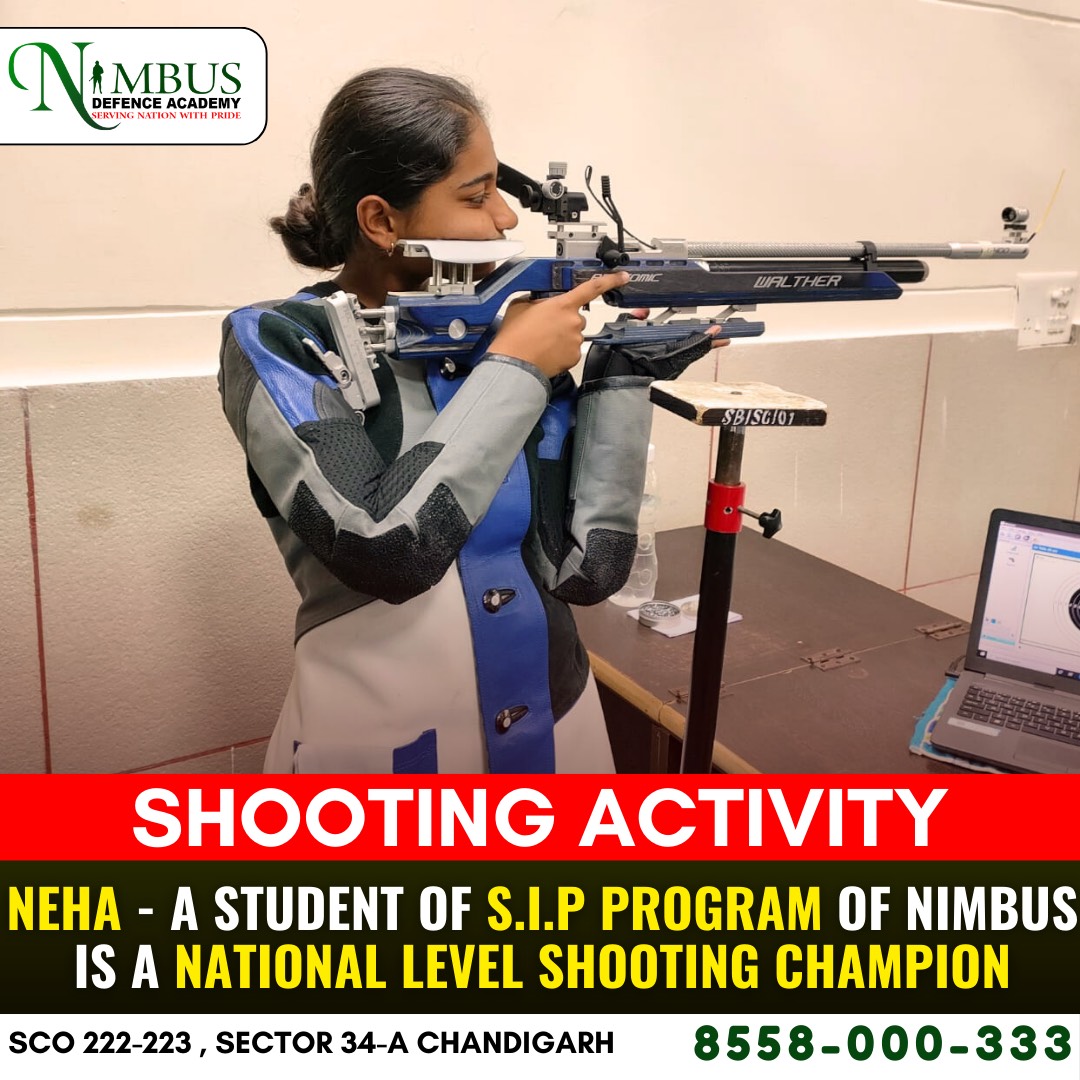
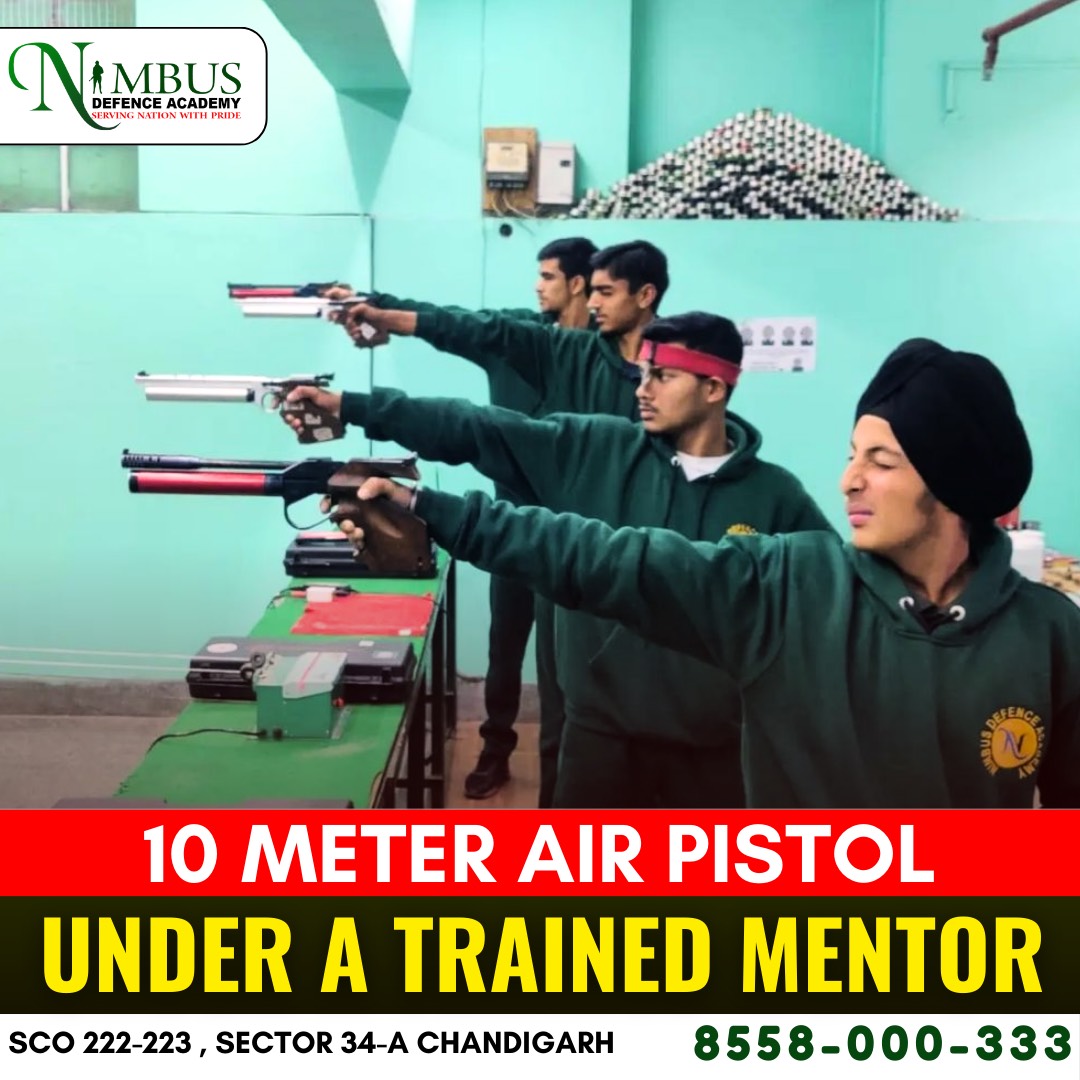
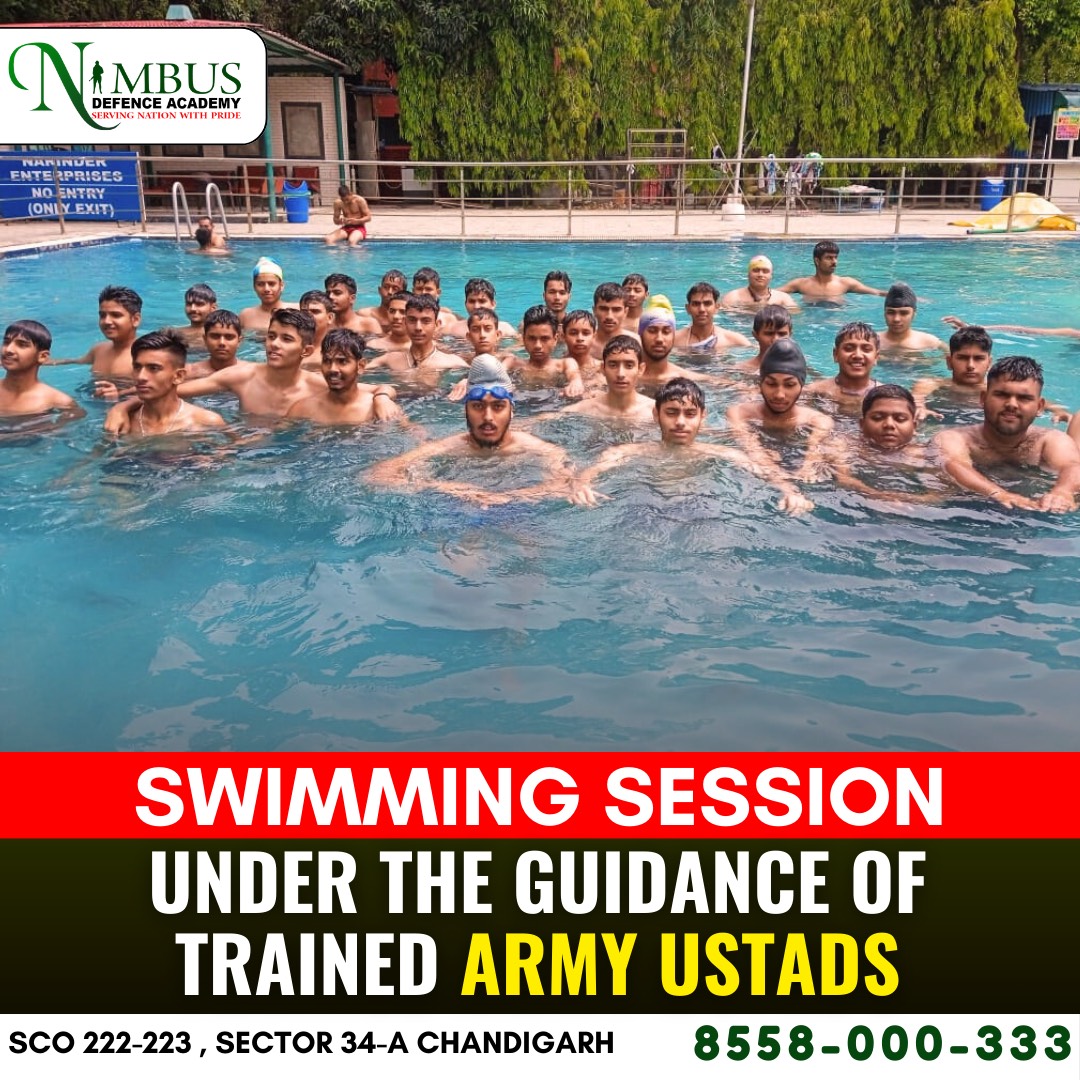
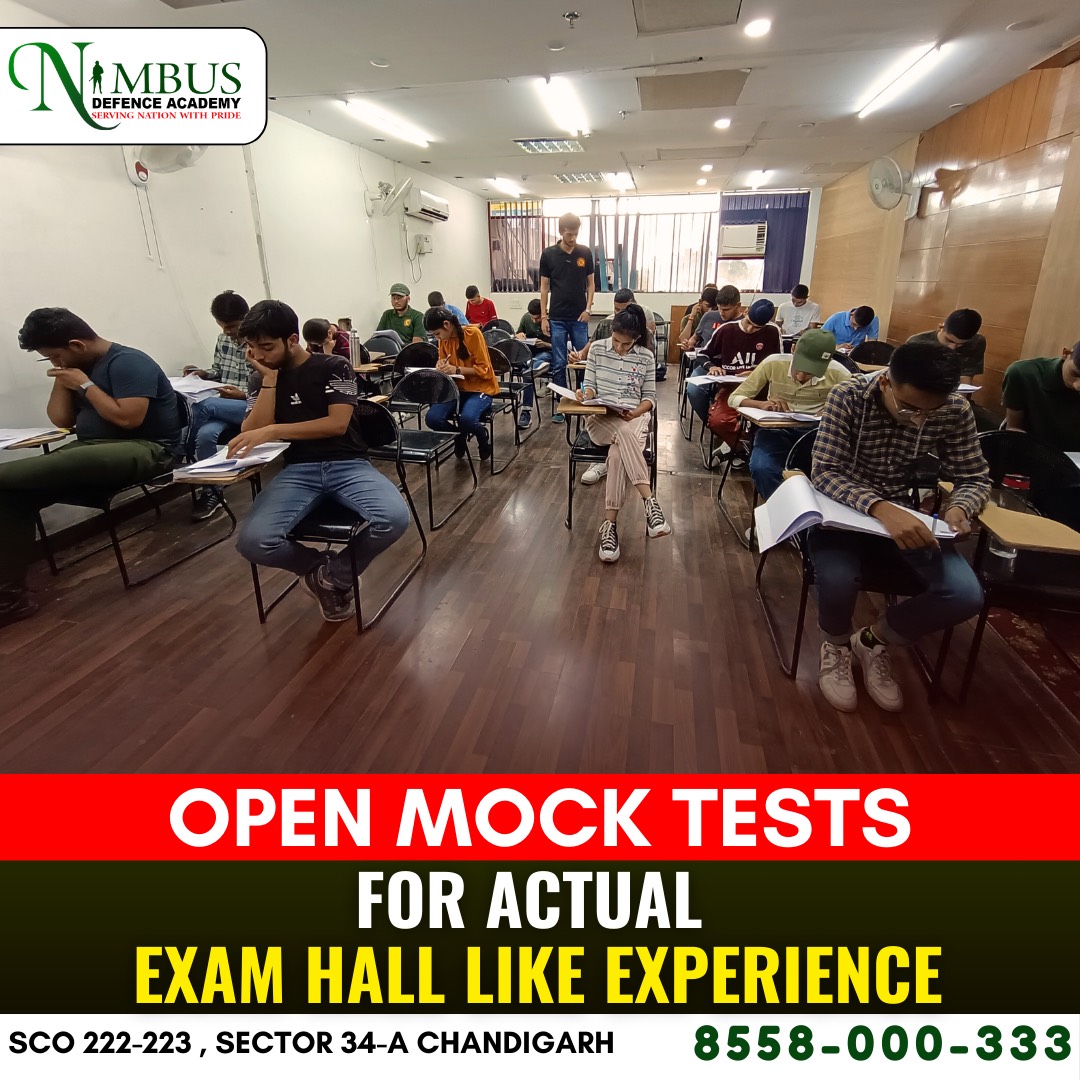
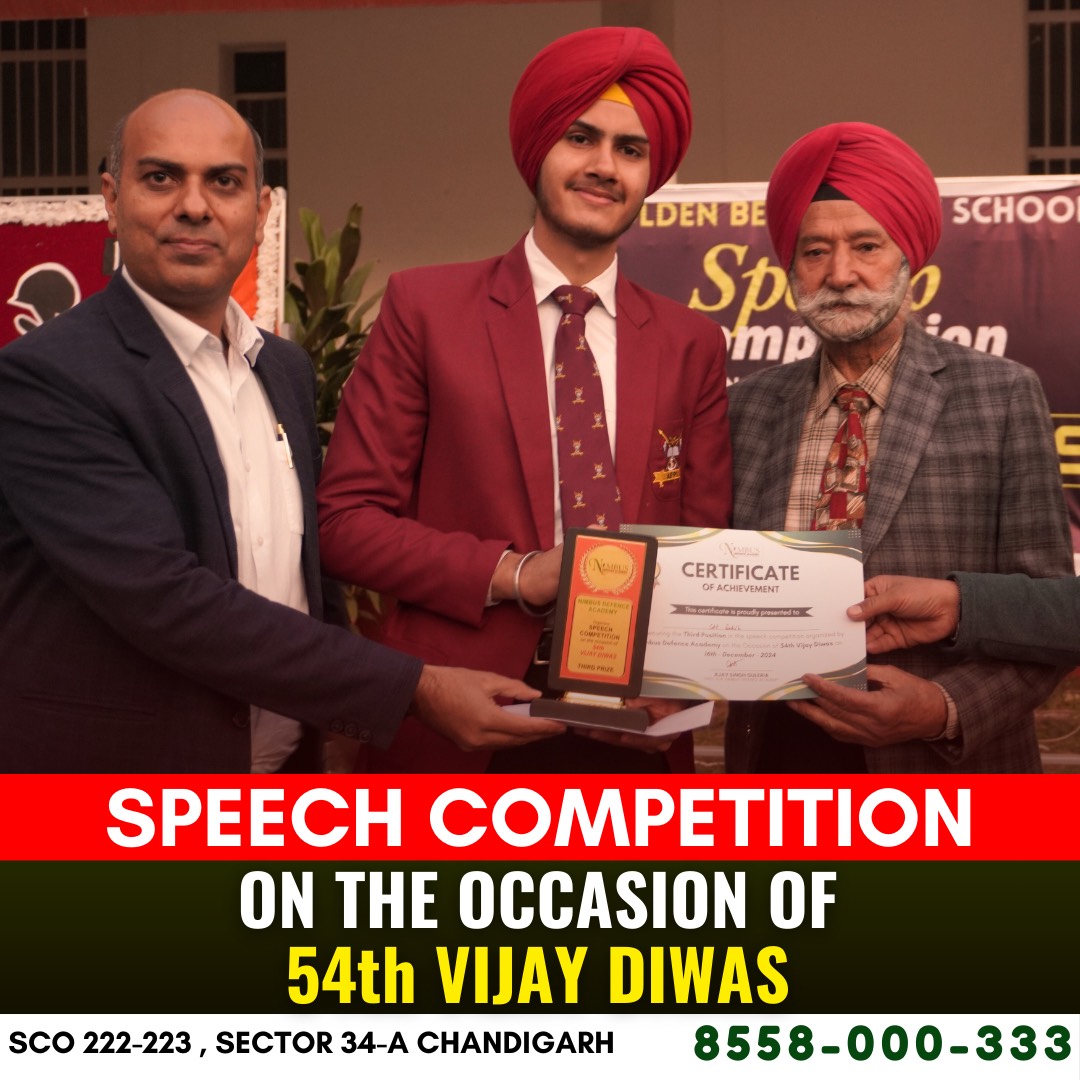
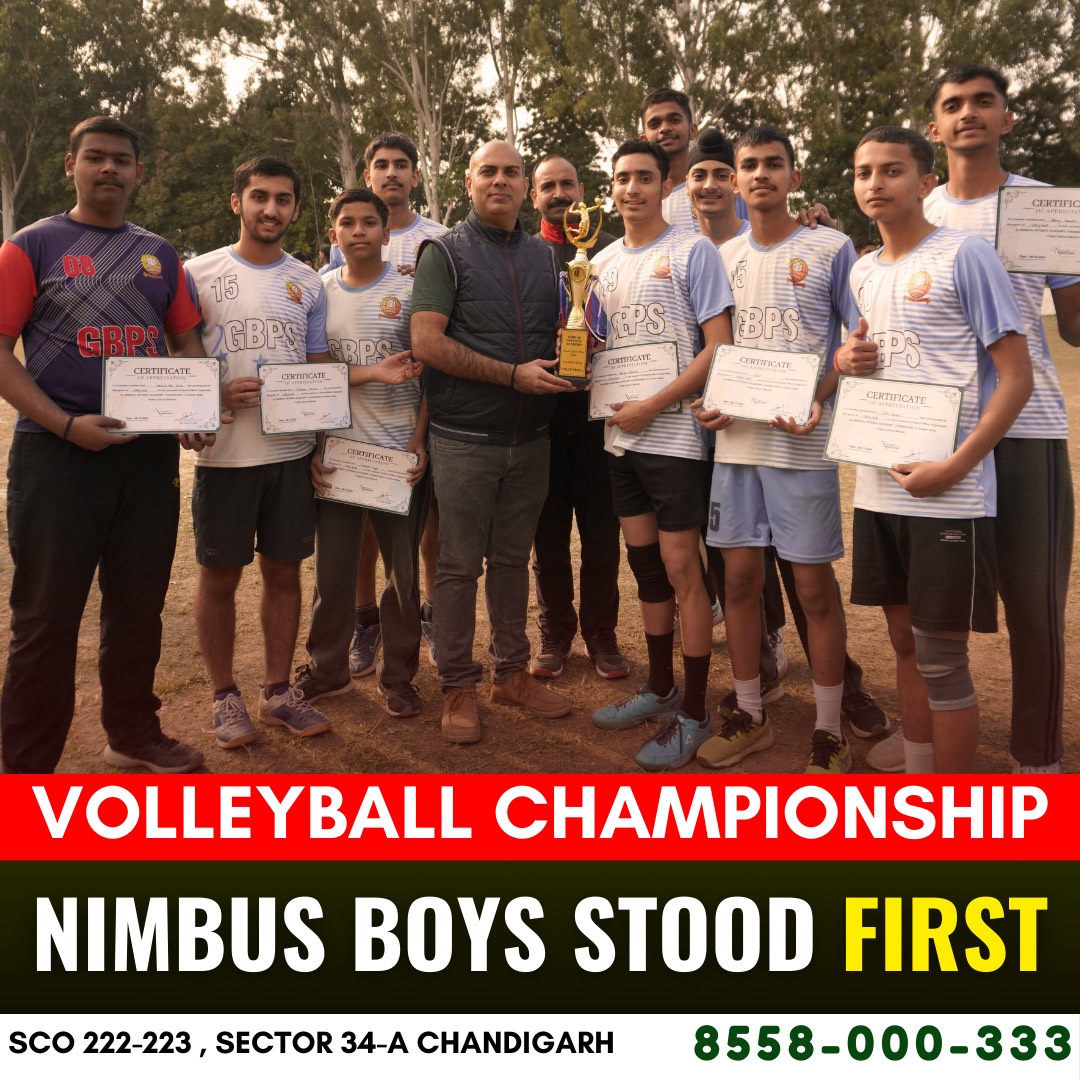
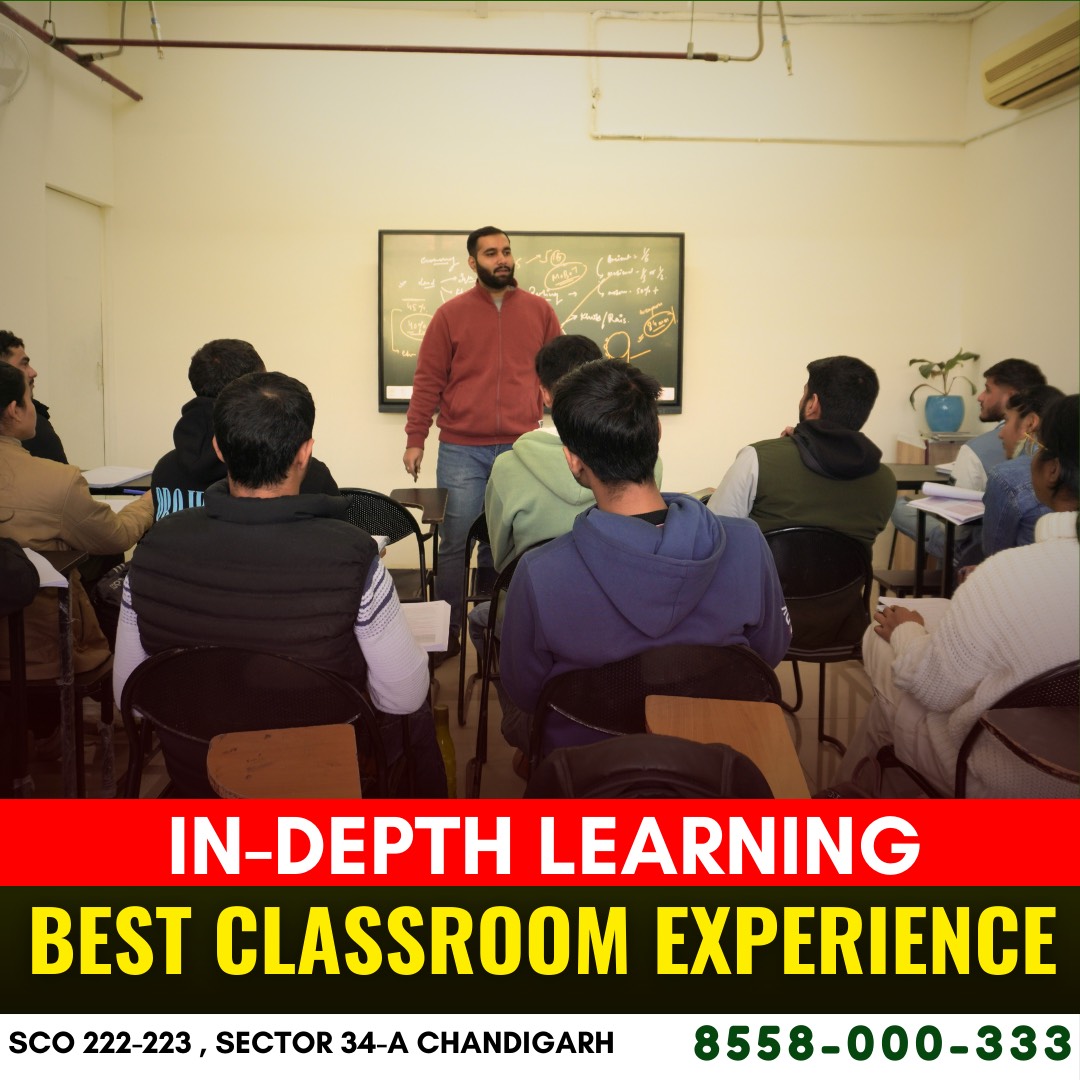
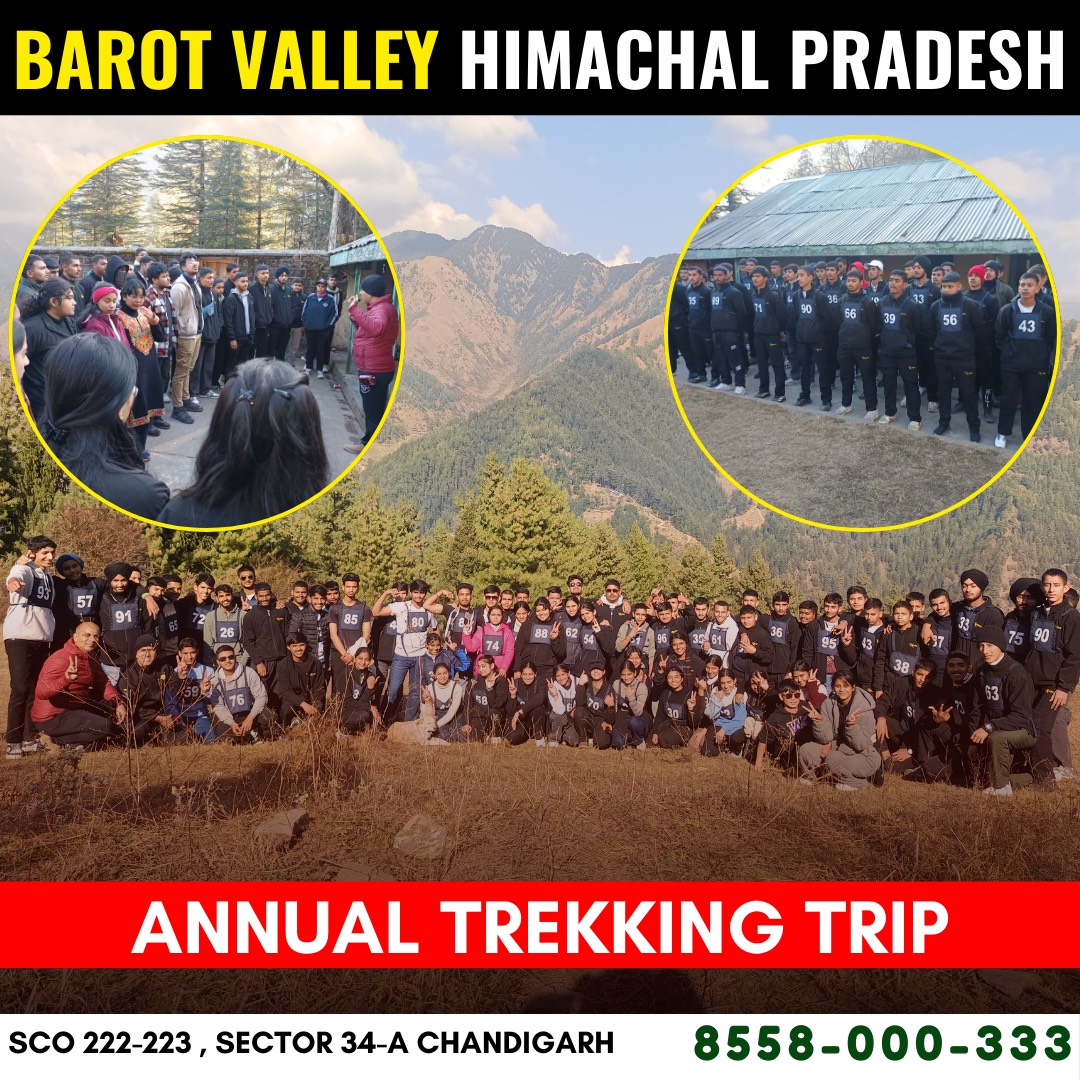
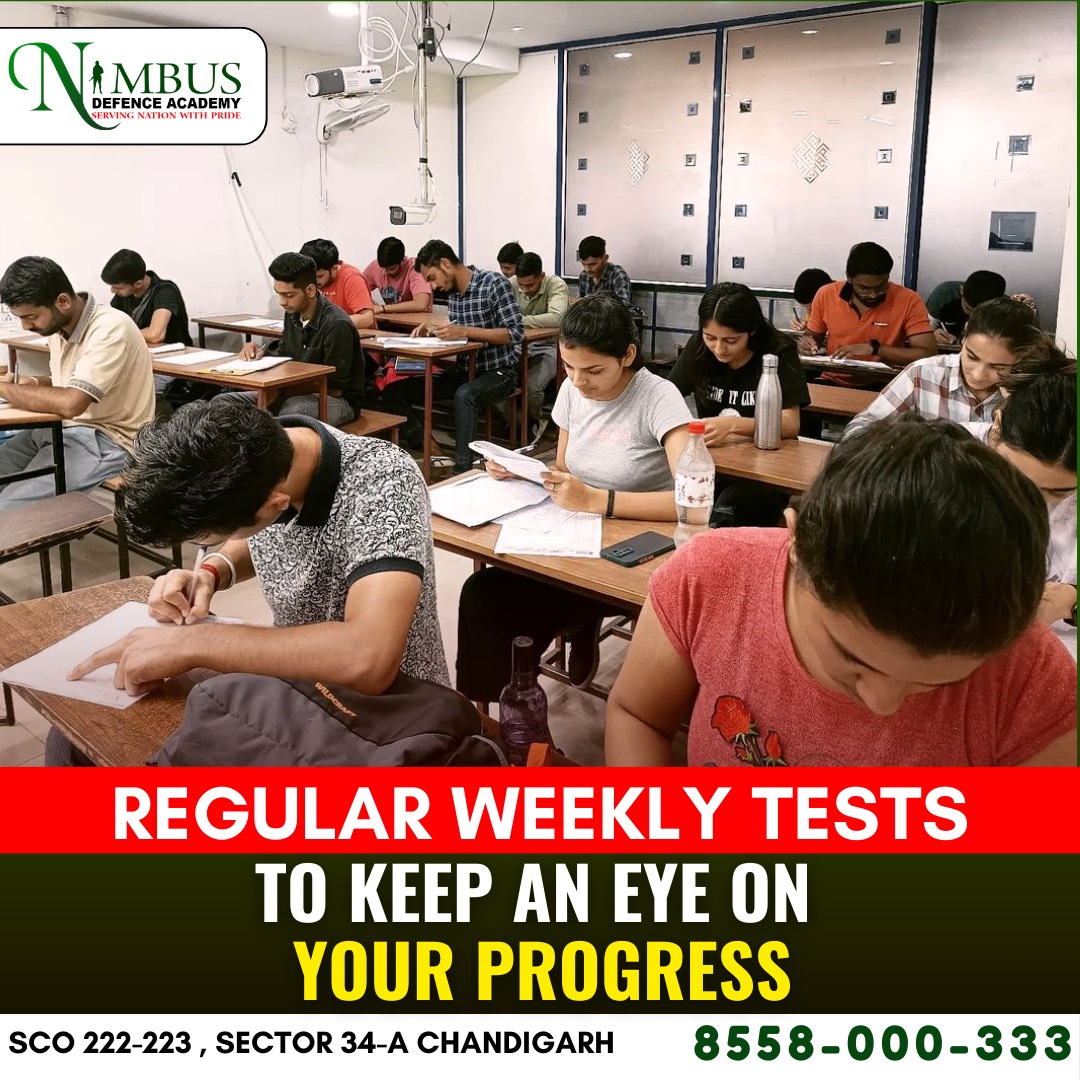
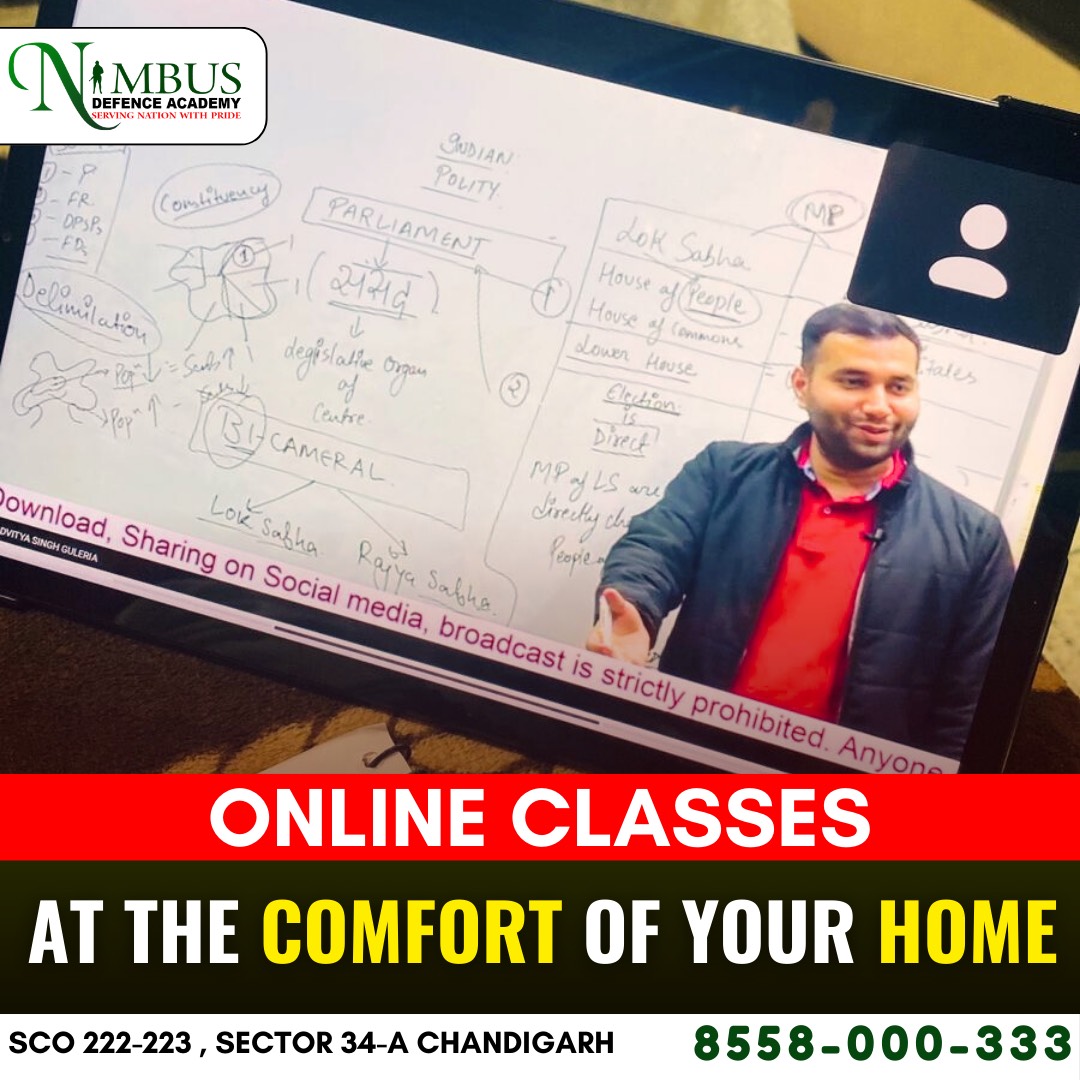
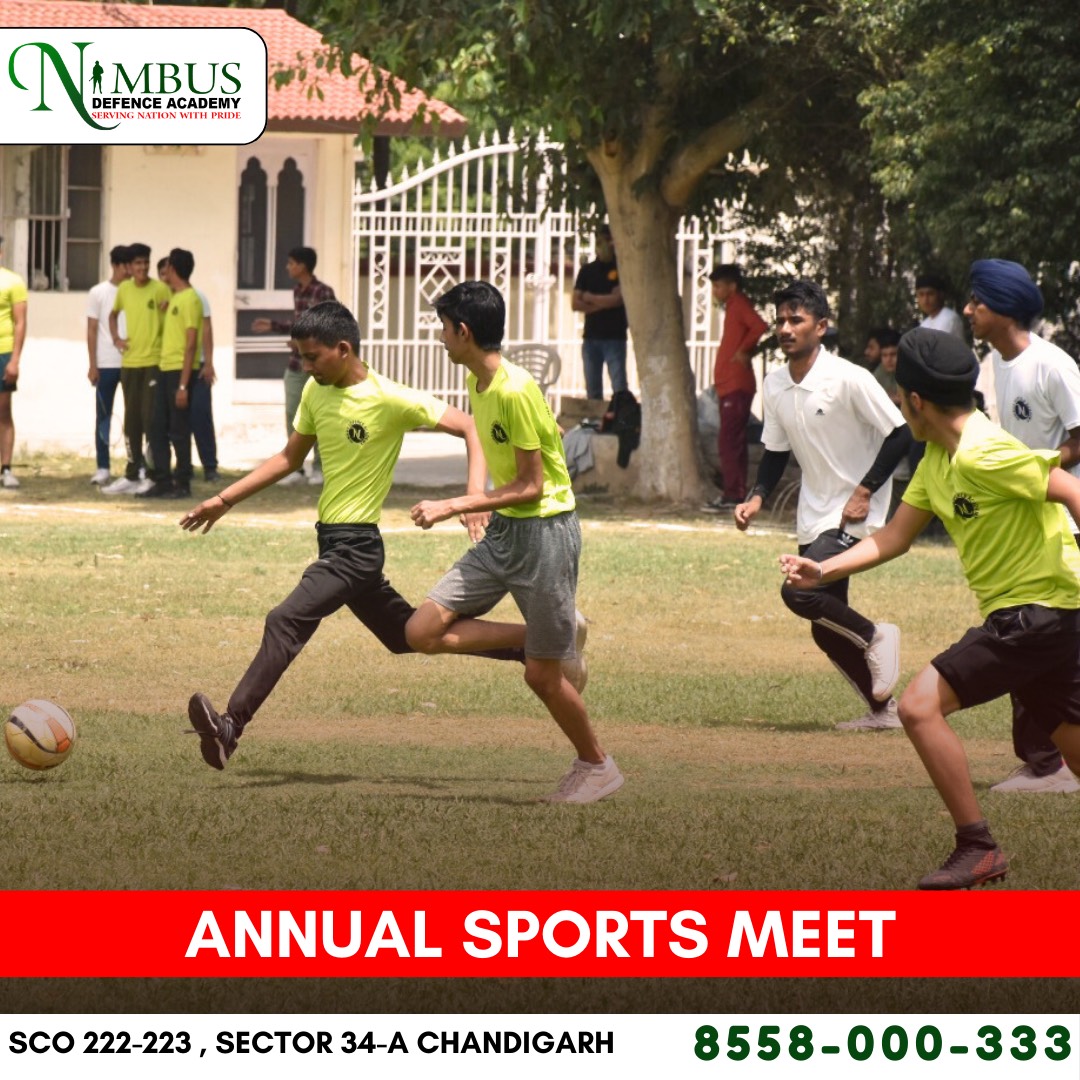
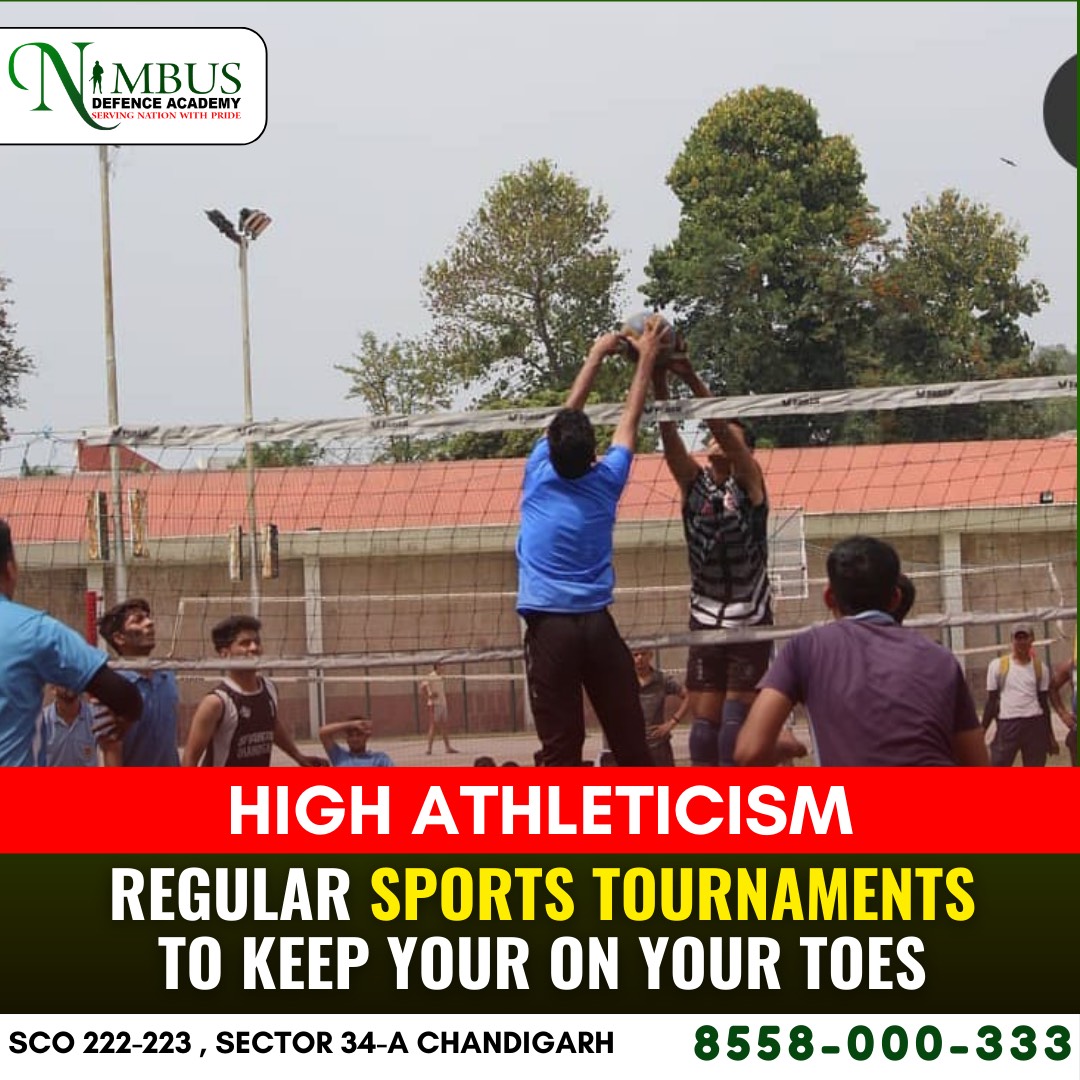
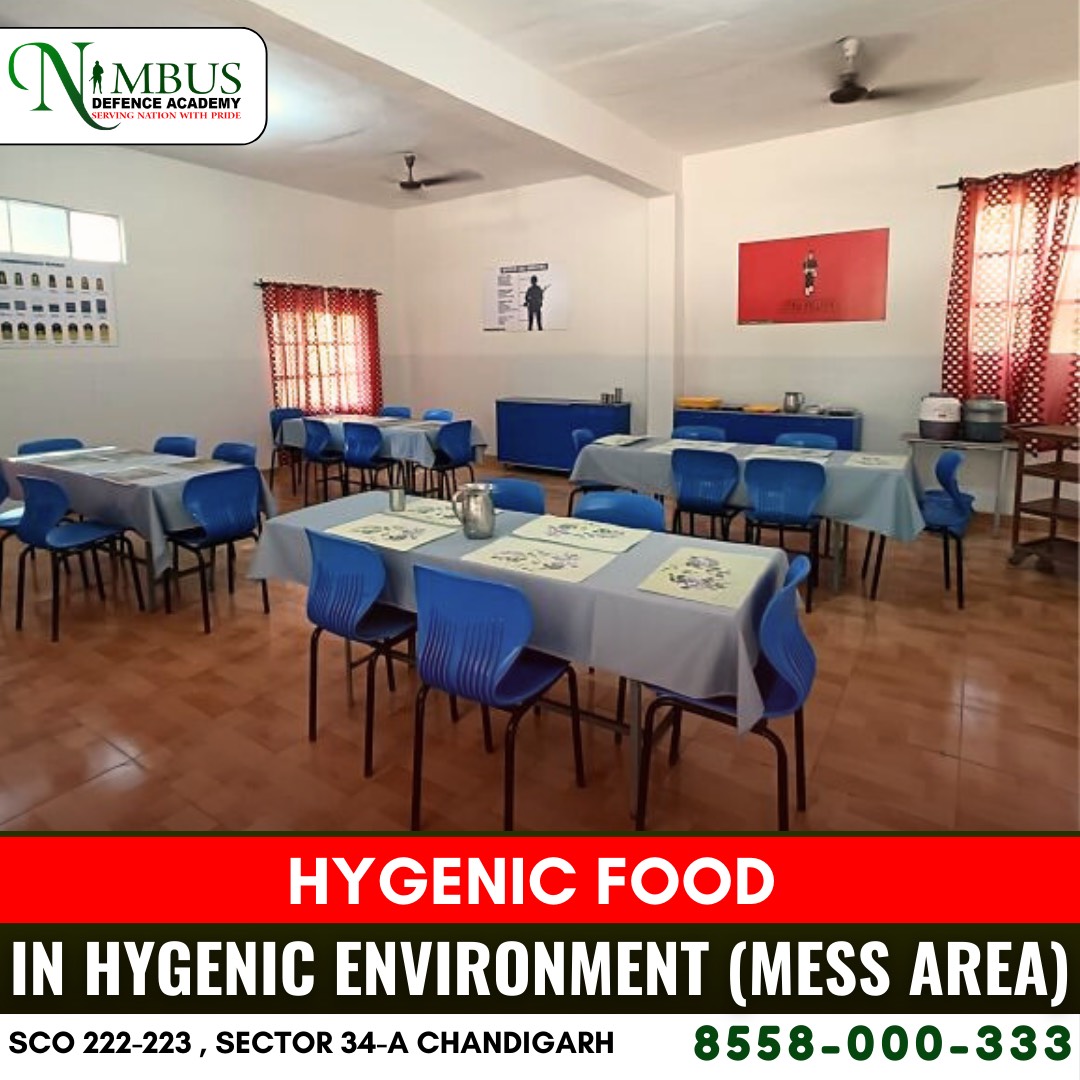
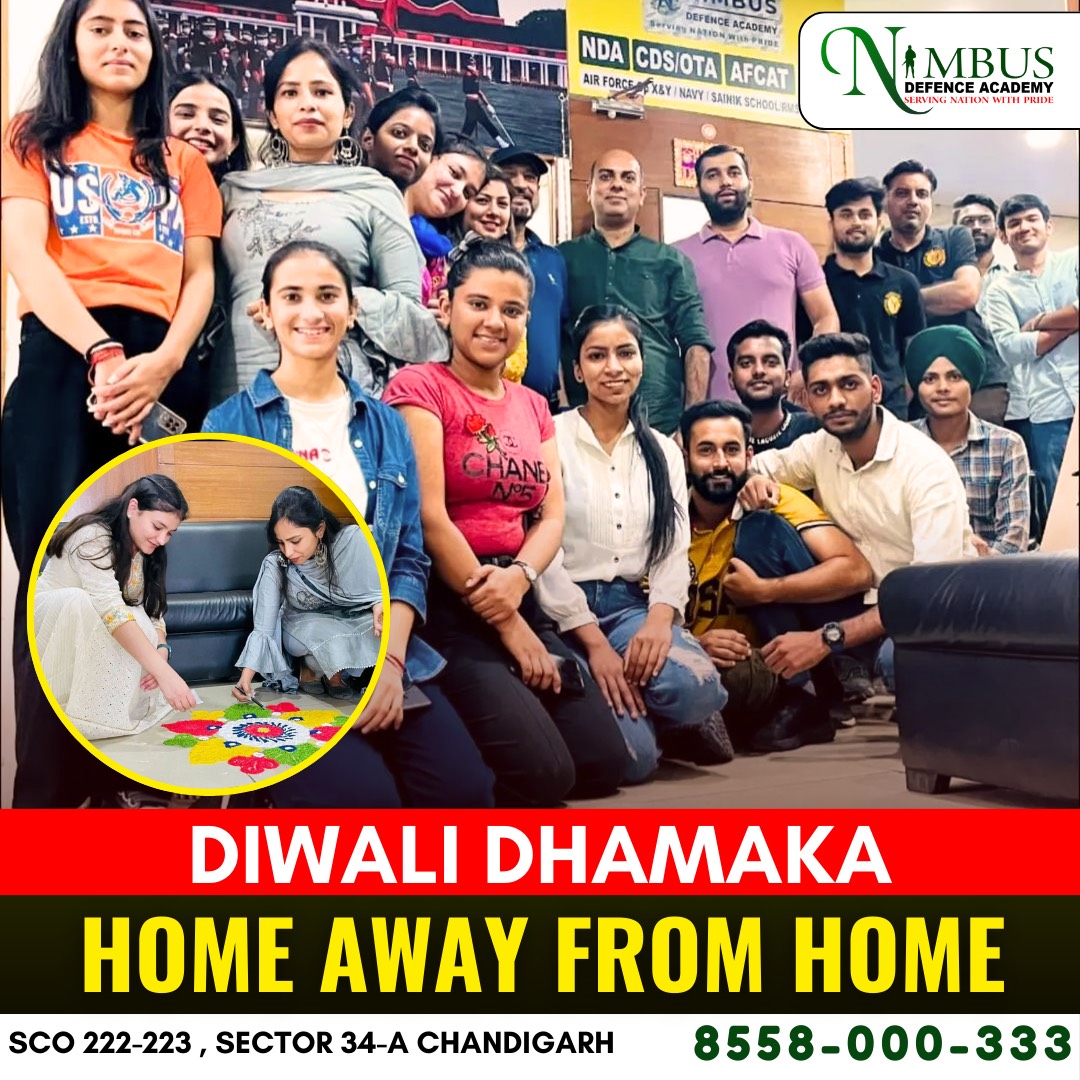
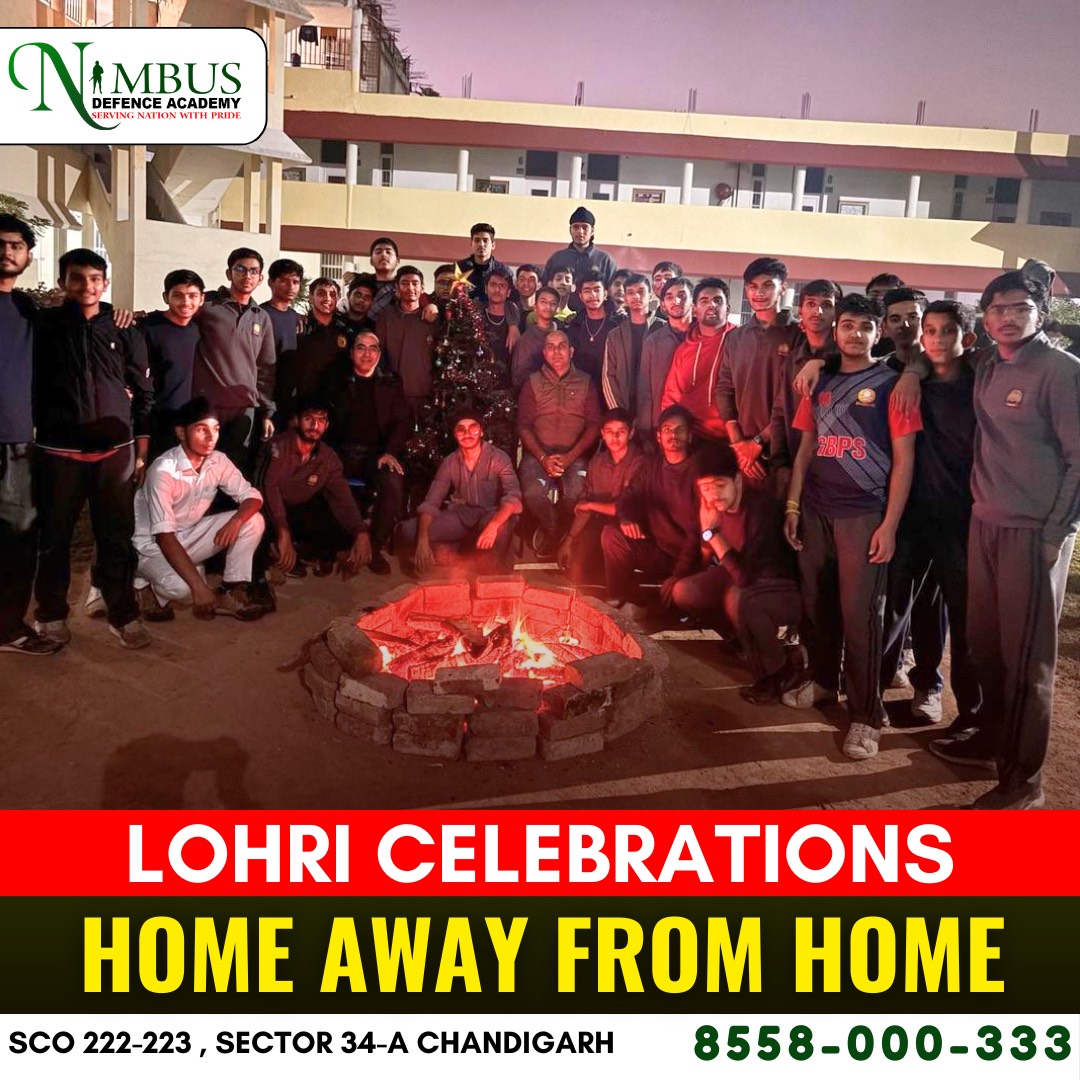
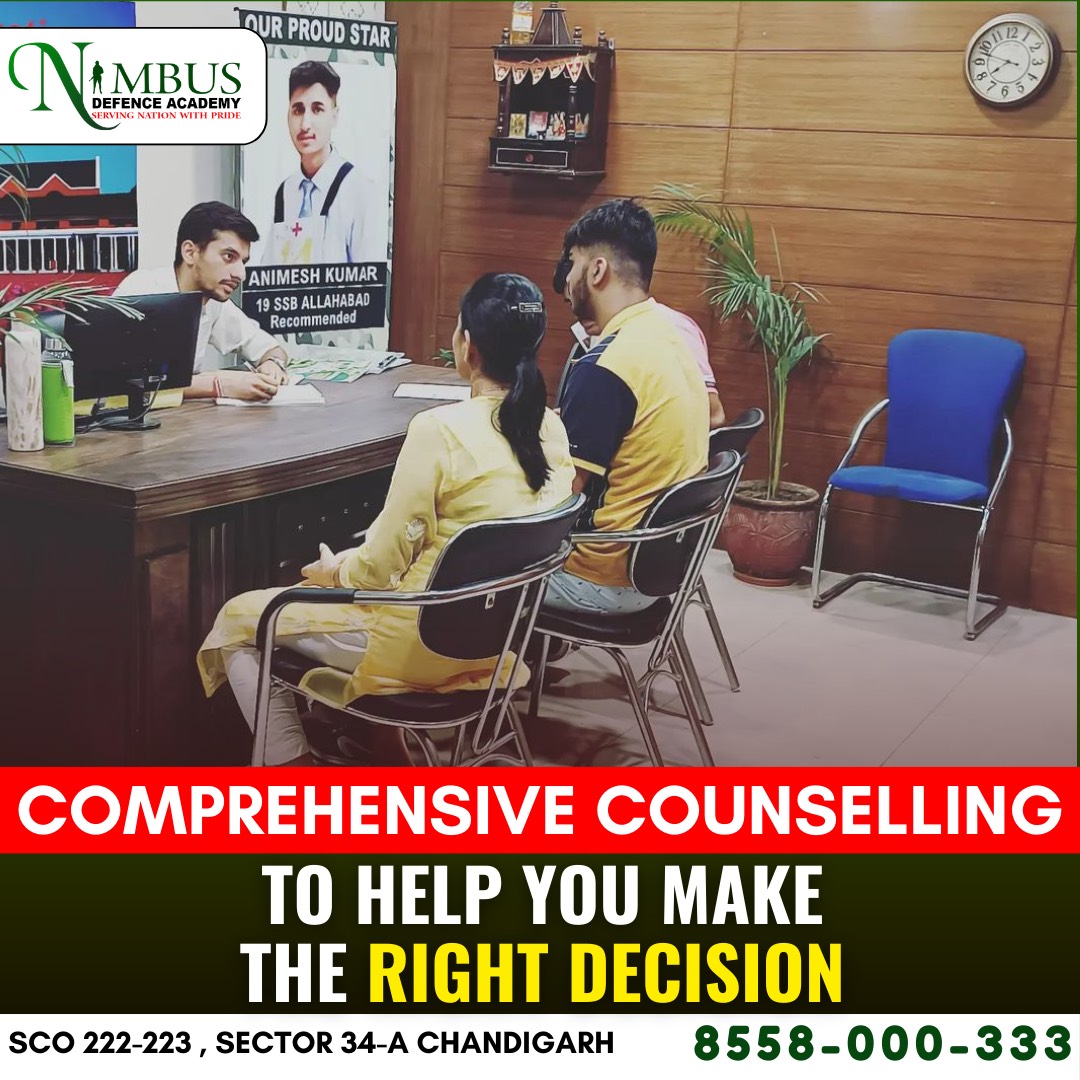
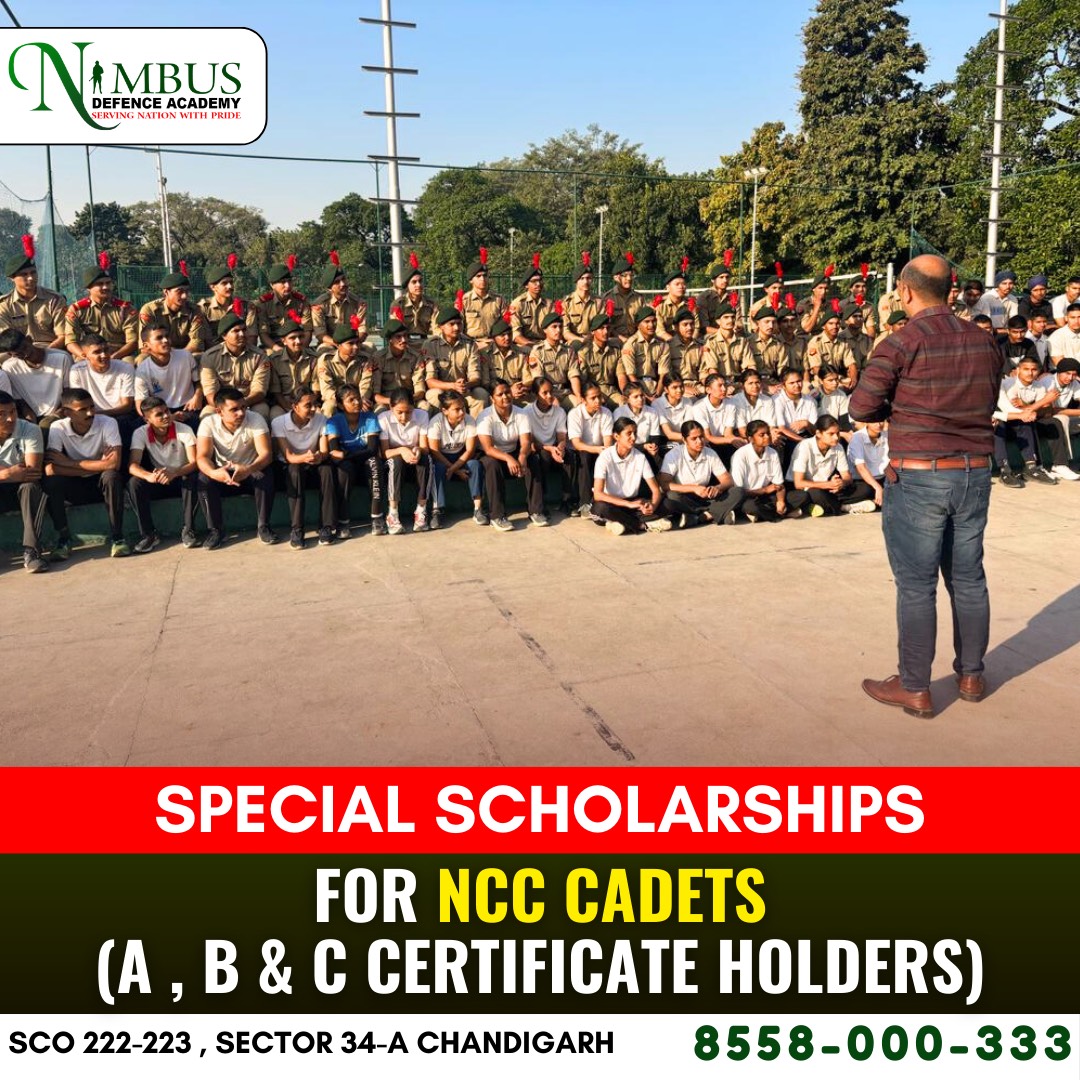
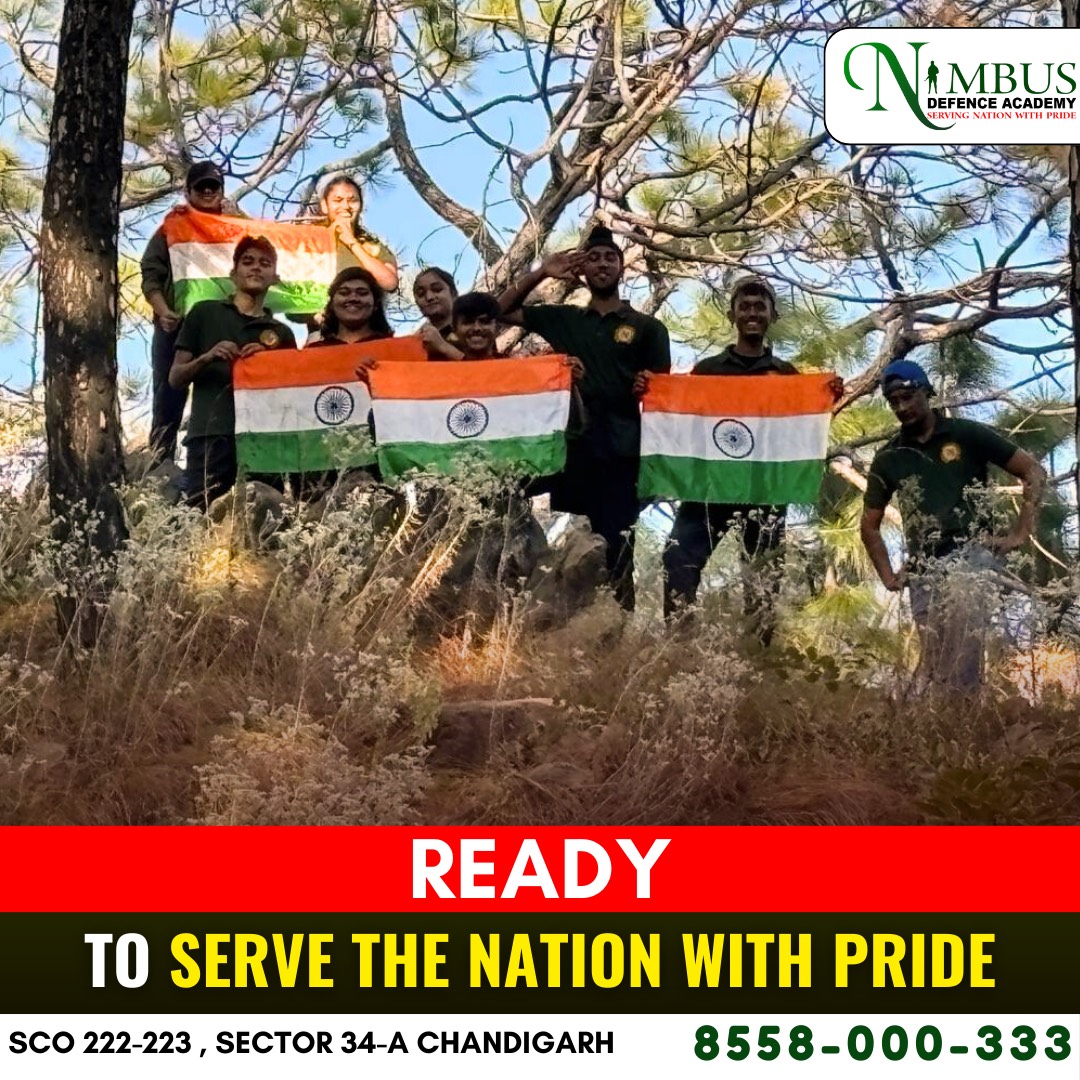
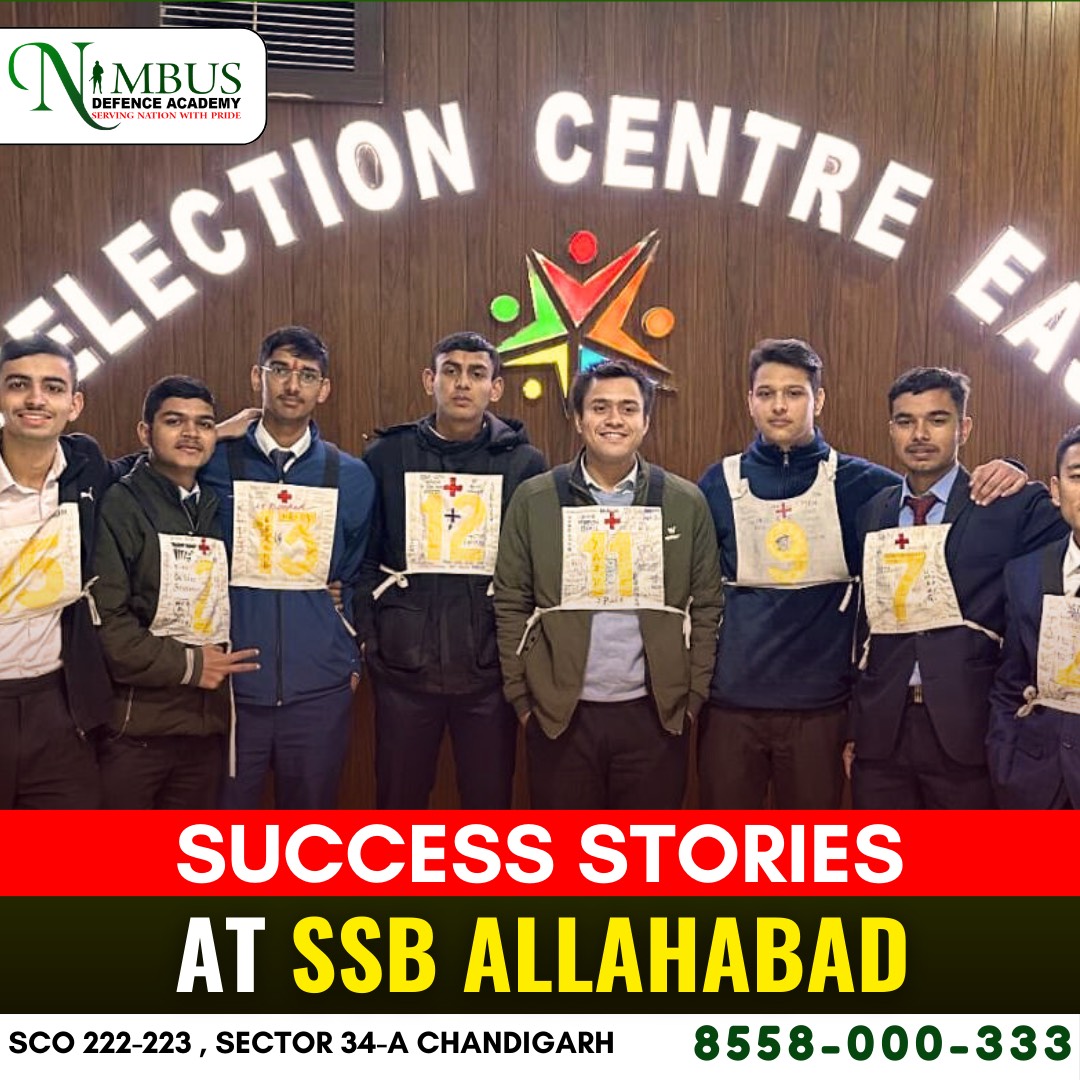
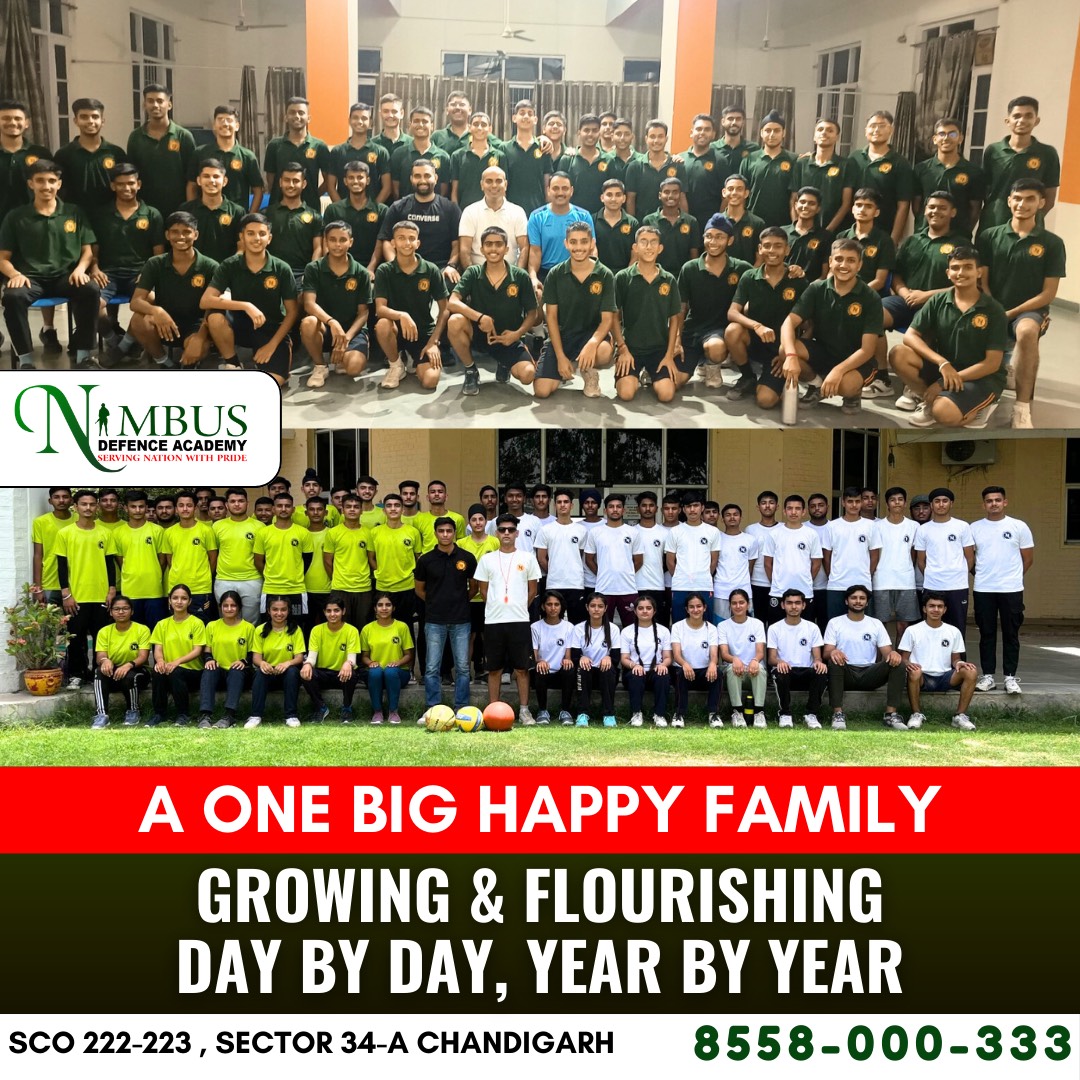
SSB PROGRAMMES
21 DAYS SSB
(OFFLINE BATCH)
21 Days SSB Offline Program Features
- 8 Hours of Daily Classes: Comprehensive preparation for all SSB phases.
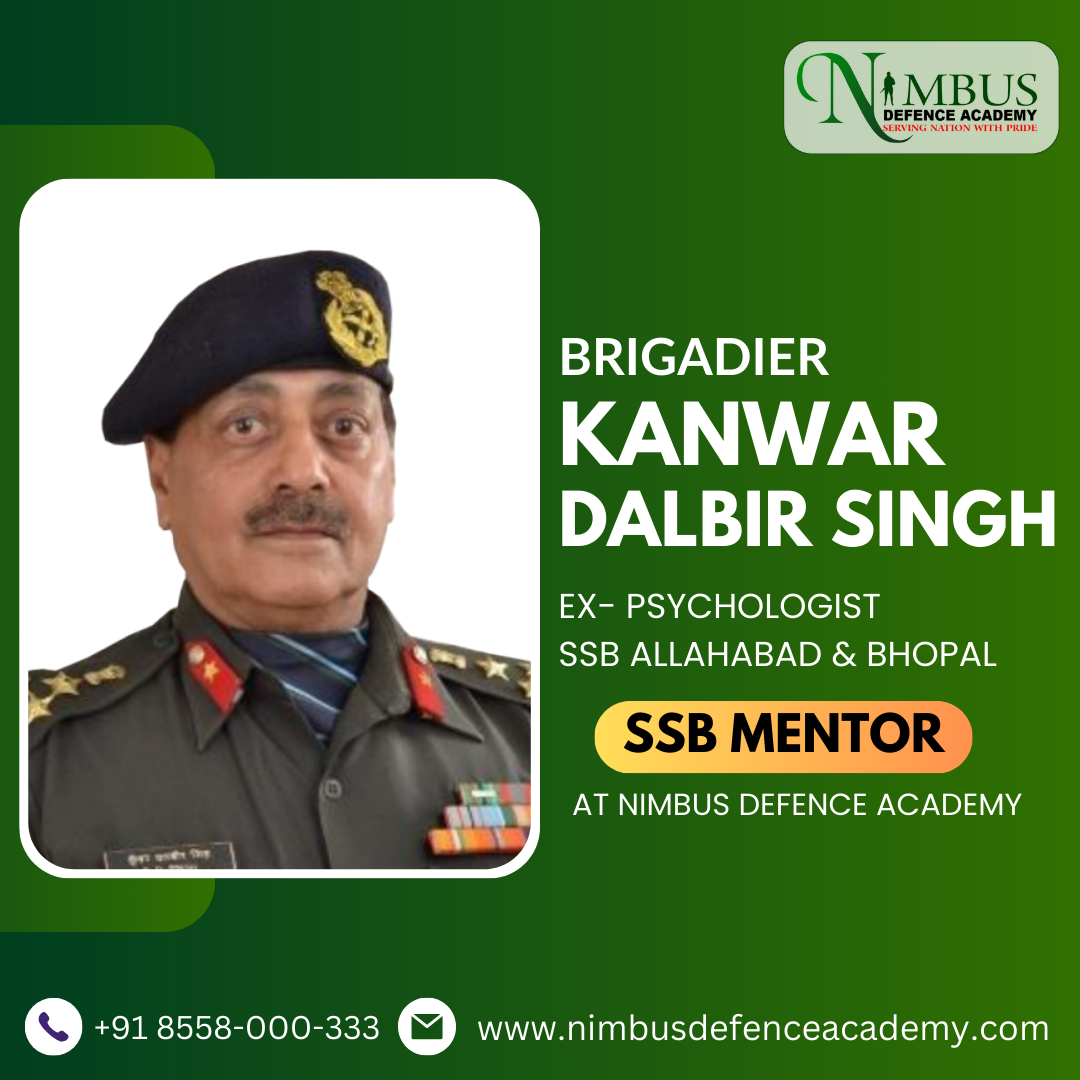
- Psychology Week: Focused psychological assessments & feedback under Brig. K.D. Singh.
- OIR & PPDT: Daily practice and discussions to sharpen analytical and storytelling skills.
- Current Affairs: Daily newspaper sessions to stay updated and improve communication.
- GD & Lecturette Practice: Daily sessions to enhance leadership, public speaking, and critical thinking.
- Group Planning Exercise (GPE): 4 sessions with Lt. Col. Ravi Sharma to improve problem-solving and group dynamics.
- Outdoor GTO Sessions: 3 sessions with Wg . Cdr . I.S. Chahal to master outdoor group tasks.
- Personal Interviews: 2 in-depth mock personal interviews with Col. H.S. Chahal for personalized guidance and feedback.
- Printed Study Material: Comprehensive study guides to support revision and practice.
This program ensures holistic preparation with expert mentorship and personalized feedback to help you excel in the SSB interview!
21 DAYS SSB
(ONLINE BATCH)
21 Days SSB Online Course Features
- 3 Hours of Daily Live Classes: Focused and interactive sessions covering all key components of the SSB interview.
- Psychology Week: Full week dedicated to psychological tests with expert guidance and feedback from Brig. K.D. Singh.
- Daily OIR & PPDT Practice: Regular practice with group discussions to enhance reasoning and perception skills.
- Current Affairs Sessions: Daily newspaper & current affairs discussions to stay updated and boost content for GDs and lecturettes.
- GD & Lecturette Practice: Daily online group discussions and lecturette practice to build confidence, clarity, and communication.
- Group Planning Exercises (GPE): 4 guided GPE sessions conducted online by Lt. Col. Ravi Sharma with analysis and feedback.
- Personal Interviews: 2 mock interviews with Col. H.S. Chahal including detailed feedback and improvement strategies.
- Outdoor GTO (Optional): Option to attend 3 in-person outdoor GTO sessions with Wg . Cdr . I.S. Chahal at campus (for enrolled candidates).
- Complete Study Material: Digitally provided printed study material, notes, and practice sets for structured self-study.
A perfect program for aspirants who prefer learning from home, with the flexibility of outdoor practice sessions and expert mentorship throughout.
Free SSB Foundation Course
Free SSB Foundation Course Features
- Duration: 1 Week (Monday to Sunday)
- Daily Live Classes: 2 Hours each day with our Expert Mentor.
- Comprehensive Coverage: A complete step-by-step understanding of the SSB Interview Process.
- Daily Practice Sessions: Learn, apply, and improve with regular tasks & guided exercises
- Personalised Mentorship: One-on-one feedback to identify your strengths and work on weak areas.
- Interactive Learning: Doubt clearance, mock activities, and practical tips for real-time improvement.
- Batch Start: New batch begins every Monday.
- Enrollment: Open to all – Join for FREE!
Enrol now to kickstart your journey towards becoming an Armed Forces Officer with the right foundation!
SSB Psychology Batch
Psychology Batch Features
- Expert Mentorship: Learn the complete know-how of Psychology Tests in SSB Interview under the guidance of Brigadier K.D. Singh (Retd.)
- Structured Learning: Detailed coverage of TAT, WAT, SRT & SD with practical strategies to perform confidently.
- Personalised Feedback: Get your own responses evaluated with individual marks, insights, and improvement areas.
- One-on-One Mentorship Session: Exclusive interaction with the mentor to refine your psychological profile.
- Applied Learning: Regular practice assignments to ensure clarity, accuracy, and speed in all psychology tests.
- Result-Oriented Training: Focus on building officer-like qualities (OLQs) and psychological compatibility for success.
Enrol now to train directly under the mentorship of a senior Armed Forces psychologist and strengthen the most crucial part of your SSB preparation!
Personal Interview Batch
Personal Interview Batch Features
- Expert Guidance: Learn the art of facing the SSB Personal Interview under the mentorship of Colonel H.S. Chahal (Retd.)
- Complete Interview Know-How: Step-by-step training on self-introduction, personal questions, current affairs, situational analysis, and personality-based questions.
- Mock Interviews: Practice through simulated interview sessions designed exactly on SSB standards.
- Personalised Evaluation: Get detailed feedback on your strengths, weaknesses, and overall performance from the mentor himself.
- Improvement-Oriented Training: Focus on communication skills, clarity of thought, confidence, and officer-like qualities (OLQs).
- One-to-One Mentorship: Exclusive interaction with the mentor to refine your personality and responses.
- Practical Insights: Learn proven techniques to handle stress questions, counter-questions, and tricky scenarios with ease.
Join this batch to master the Personal Interview round of the SSB with direct mentorship from an experienced Armed Forces Interviewing Officer.
Nimbus Defence Academy
Best SSB Interview Training in North India
When it comes to SSB Interview training in North India, Nimbus Defence Academy stands as the most trusted name with its headquarters in Chandigarh. With a legacy of excellence, Nimbus has consistently produced the best results in NDA, CDS, AFCAT, and direct entry SSB selections.
At Nimbus, we take pride in having the most experienced mentors, including retired Armed Forces officers and psychologists, who provide personalized guidance to each aspirant. Their expertise ensures that candidates not only understand the testing process but also develop the right Officer-Like Qualities (OLQs) to succeed in the rigorous five-day SSB Interview.
Our best-in-class infrastructure, including modern classrooms, GTO grounds, psychology labs, and hostel facilities, creates an environment that replicates real SSB conditions. This hands-on approach ensures aspirants gain the confidence and skills needed to perform at their best.
Nimbus Defence Academy has the highest success rate in North India for SSB Interview selections. Our structured training modules, mock interviews, and personality development sessions make us the top choice for defence aspirantsaiming to join the Indian Armed Forces as officers.
If you are serious about your dream of donning the uniform, join Nimbus Defence Academy – the institution with proven results, unmatched mentorship, and a commitment to your success.
SSB INTERVIEW COMPLETE PROCESS
Services Selection Board (SSB) is the specialized body responsible for assessing and selecting candidates for commissioning into the Indian Armed Forces as officers. The Armed Forces of India comprise three wings – the Army, Navy, and Air Force.
Candidates who qualify in written examinations such as the National Defence Academy (NDA), Combined Defence Services (CDS), and Air Force Common Admission Test (AFCAT) are called for the SSB Interview. Additionally, certain direct entry schemes such as the 10+2 Technical Entry Scheme (TES) and NCC Special Entry allow aspirants to appear directly for the SSB Interview without undergoing a written examination.
The SSB Selection Centres are established across India, with different boards designated for each service. These centres are equipped to comprehensively evaluate candidates on their psychological aptitude, leadership qualities, communication skills, and overall officer-like qualities (OLQs) through a structured five-day testing process.
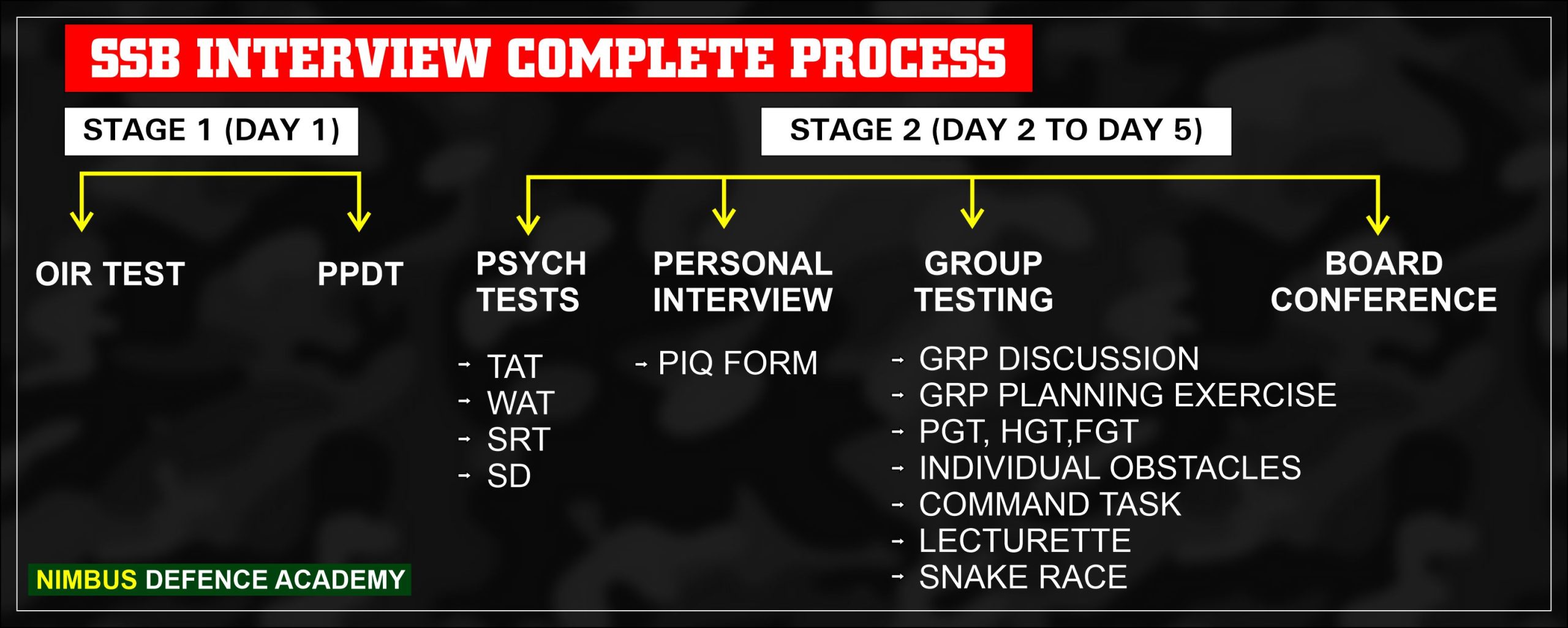
SSB Interview comprises 5 Days in which a candidate undergoes 2 stages. The stages are
1. Stage-1 : SCREENING TEST
It further comprises of 2 sub-stages
a) O.I.R - Officers Intelligence Rating (Verbal & Non-verbal test)
In this test, a candidate's ability to solve mathematical problems, categorised into verbal and non-verbal reasoning tests is tested. The question booklet is prepared by DIPR(DEFENCE INSTITUTE OF PSYCHOLOGICAL RESEARCH). As per the candidate's performance, they are given OIR rating 1,2,3...so on with OIR 1 being the highest.
b) PPDT - Picture Perception and Discussion Test
This is a test of imagination and observation. In this test, a picture is shown to the candidates for 30 seconds on a screen and they are required to write a story on that picture in 4 minutes. After this candidates are subdivided into small groups for the DISCUSSION test. In this, each candidate narrates his/her own story to the group and after the individual narration, group discussion begins to come to a common GROUP STORY.
NOTE: The candidates who clear Stage 1 proceed to Stage 2 whereas the candidates who don’t make it to Stage 2 are routed back home
2. Stage-2
This stage consists of 3 testing techniques and a Board Conference on the 5th day. The tests are
a) Psychological Tests - They comprise 4 tests which are
1. TAT - Thematic Apperception Test
In TAT, candidates are shown 12 pictures including 1 blank picture, for 30 seconds each and 4 minutes are provided to write a story on that picture. The difference between PPDT and TAT is that in TAT, 12 pictures are shown one after another, and a discussion test does not take place. The 12th picture is a blank picture in which a candidate can write his/her own story of choice.
2. WAT - Word Association Test
In this test, candidates are shown 60 words one after another for 15 seconds each. They are required to associate that word with a sentence and write that within 15 seconds after seeing the word.
3. SRT - Situation Reaction Test
This test comprises 60 situations which are provided in a question booklet. The time given for this test is 30 minutes and the candidate is required to write his/her response to that situation.
4. SD - Self Description
Self-Description requires a candidate to describe himself/herself according to his/her opinion and society's opinion in paragraph form. It comprises of 5 main parameters :
- Parent’s Opinion
- Teachers/Senior’s Opinion
- Friends/Classmate’s Opinion
- Own Opinion
- What kind of person do I want to become?
b) PERSONAL INTERVIEW
The personal interview is a one-to-one interaction between the assessor and the candidate. The main purpose of this technique is to understand a candidate much deeper, which becomes impossible during a written examination. The interview revolves around a form known as PIQ(Personal Information Questionnaire) which is provided to the candidate before going for the personal interview.
c) G.T.O
GTO stands for Group Testing Officer which assesses you not individually but in a group, unlike the other two tests. It includes a total of 9 tests that are conducted outdoors. It takes place over a period of 2 days on Day 3 and Day 4 consecutively. The tests are –
1. GD - Group Discussion
It is the first test in the G.T.O series. In these 2 Group Discussions, each of around 15-20 minutes takes place. The 1st GD topic is of the candidate’s choice but the 2nd GD topic is of the assessor's choice.
2. GPE - Group Planning Exercise
It is also known as MILITARY PLANNING EXERCISE. In this, a wooden board-like structure called a map is placed in front of a group of candidates and a story is narrated to the group by GTO. The story involves a group of people encountering 4-5 problems simultaneously. For 5 minutes, a story card is given to each student after the common briefing of the story. 10 minutes are provided to the students to write their individual plans of solving the problems simultaneously using the resources available. After this discussion test takes place and the candidates are required to arrive at a common group plan. Then one candidate from a group is nominated to give the common group plan to the GTO.
3. PGT - Progressive Group Task
In this task, the group of candidates will get 35-40 minutes to solve some structures on the ground using available resources like plank, balli, rope, load, etc. There are 4 levels of obstacles having their difficulty level in ascending order. The group needs to cross all the obstacles together without breaking any rules
4. HGT - Half Group Task
This task is similar to PGT except for the fact that the main group gets divided into 2 subgroups and they have to solve only 1 obstacle instead of 4.
5. GOR - Group Obstacle Race/Snake Race
In this task, a cloth-like structure in the shape of a "snake"(that's why the name SNAKE Race) has to be carried by the group of candidates and cross the obstacles in front of them. They need to abide by some rules in this task.
6. Lecturette
In this a candidate will get 3 minutes to prepare before delivering their Lecturette speech for 3 minutes in front of GTO and his/her group. The topic will be chosen by the candidate from a total of 4 topics displayed on a card, which candidate randomly picks up from the table.
7. Command Task
In the command task, you'll be made the Commander and with the help of 2 subordinates from your group and the helping material (plank, balli, rope, load, etc), you've to complete the obstacle in front of you. The time for this task is approx. 15 minutes.
8. Individual Obstacle Task
This task consists of 10 obstacles that need to be completed by the candidate within 3 minutes. He/She can repeat the tasks once all the 10 obstacles have been completed once.
9. FGT - Final Group Task
The last task of the GTO series. It is a reflection of PGT but only 1 obstacle needs to be completed by the whole group within the time limits using the resources available.
d) BOARD CONFERENCE
It’s the last activity that takes place in the 5-Day SSB procedure. After you’ve undergone all the testing techniques, you go for the final Board Conference. This is like a “MINI-INTERVIEW” where each candidate is called inside a room, where all the assessors including the Board President & Deputy President are present. The candidate is asked some basic questions regarding his 5 days experience and his/her life. After the board conference, final results are announced.
NOTE: The candidates who get selected/recommended are required to stay at the respective SSB Centre for further documentation and medical procedure whereas the candidates who don’t make it are routed back home.
SSB CENTRES
For INDIAN AIR FORCE :
- 1 AFSB DEHRADUN, UTTARAKHAND
- 2 AFSB MYSORE, KARNATAKA
- 3 AFSB GANDHINAGAR, GUJARAT
- 4 AFSB VARANASI, UTTAR PRADESH
For INDIAN NAVY :
- NSB COIMBATORE, TAMIL NADU
- NSB BHOPAL, MADHYA PRADESH
- NSB BANGALORE, KARNATAKA
- NSB KOLKATA, WEST BENGAL
For INDIAN ARMY :
- SCN(Selection Centre North) KAPURTHALA, PUNJAB
- SCE(Selection Centre East) ALLAHABAD/PRAYAGRAJ, UTTAR PRADESH
- SCC(Selection Centre Central) BHOPAL, MADHYA PRADESH
- SCS(Selection Centre South) BANGALORE, KARNATAKA
VARIOUS SSB ENTRIES
1). NDA - National Defence Academy Exam (10+2 entry)
- Permanent commission in any of the wings - Airforce, Army, and Navy.
- Training for 3 years is given at the academy located at Khadakwasla, Pune.
2). TES - Technical Entry Scheme (10+2 entry)
- Permanent commission in the Indian army.
- Candidates who appeared for JEE Mains exam are only eligible for this entry.
- After 1 year of Basic military training at OTA Gaya, Bihar cadets are sent to their respective CTWs(Cadets Training wing) for further training. The 3 CTWs are in Mhow, Pune, and Secunderabad for different branches of military engineering.
3). Navy BTECH Entry(10+2 entry)
- Permanent Commission in Indian Navy
- Candidates who appeared for JEE Mains exam are only eligible for this entry.
- Training will be provided at Indian Naval Academy, Ezhimala, Kerala.
4). CDS - Combined Defence Service
- Combined test for entry to AFA, IMA, INA, and OTA after graduation.
- Permanent Commission
5). INET - Indian Navy Entrance Test
- Short-service commission in the Indian Navy after graduation.
- Training establishment is INA, Ezhimala.
6). JAG - Judge Advocate General
- Only applicable for law graduates going into the Indian Army.
- Candidates should be registered with the Bar Council of State/India.
7). NCC SPECIAL ENTRY
- For all the NCC Cadets having either 'A' or 'B'grade in the 'C' certificate exam with 50% marks in graduation.
- For the Indian Navy, B.E is required along with a C certificate.
- Training Establishments are AFA, INA, and OTA, Chennai.
8). SSC TECH - Short Service Commission Technical
- Short service commission in the Indian Army.
- All engineering graduates can apply.
- Training establishment is OTA, Chennai.
9). TGC - Technical Graduate Course
- For engineering graduates and post-graduates of MA/MSc.
- Commissioned in the Engineering or Education branch as per qualifications.
- Training establishment is IMA, DEHRADUN.
10). TA - Territorial Army
- A part-time service with 2 months of training in a year.
- Only for Indian citizens from age 18-42 years old.
11). ACC Entry
- For soldiers training from regular Army, Navy, and Air Force for commissioning as an officer in the Indian Army.
- A minimum of 2 years of service is required.
- A maximum of 3 chances are available for ACC Entry.
- Training establishment is ACC(Army Cadet College)Wing at IMA, Dehradun.
TRAINING ACADEMIES
- National Defence Academy, Khadakwasla, PUNE
- Indian Military Academy, Dehradun
- Indian Naval Academy, Ezhimala, Kerala
- Officers’ Training Academy, Chennai
- Officers’ Training Academy, Gaya, Bihar